


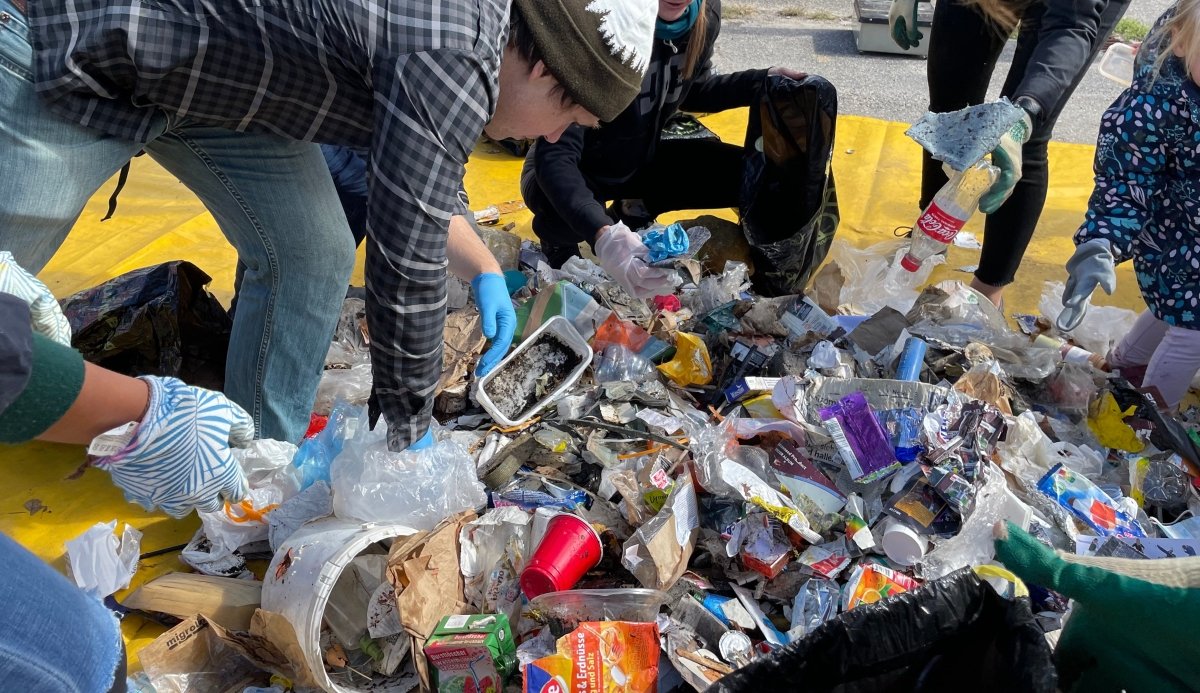
However, littering, the habit of carelessly throwing away or leaving waste in public spaces, remains a global problem. Packaging, cigarette butts, aluminum cans, beverage bottles, and other items lying around are a nuisance and have no place in nature. Did you know, for example, that it takes 100 years for an aluminum can to decompose? For glass bottles, it takes 4,000 years. Chewing gum lasts for five years. And yet, we keep encountering them there. What can we do about it?
1. Reduce: Try to avoid single-use products whenever possible. These days, there are some really great alternatives for most things, like reusable cotton pads, washable rags and sponges, cloth shopping bags, coffee cups and water bottles that last forever, cloth instead of paper napkins, and so on.
2. Reuse: If you've already reduced your consumption but still can't avoid using a disposable product, try to reuse it as often as possible. There are no limits to creativity, and items can and should definitely be repurposed—for example, you can even create flower boxes out of PET bottles.
3. Recycle: Once you've followed the first two steps, it's crucial to properly recycle any remaining waste. Aluminum, glass, kitchen scraps, paper, cardboard, PET, shampoo bottles, batteries, electronic waste, and hazardous waste can all be easily disposed of properly, at least in Switzerland.
Have you already firmly incorporated these steps into your daily routine? Or where do you think we can all still improve?


