


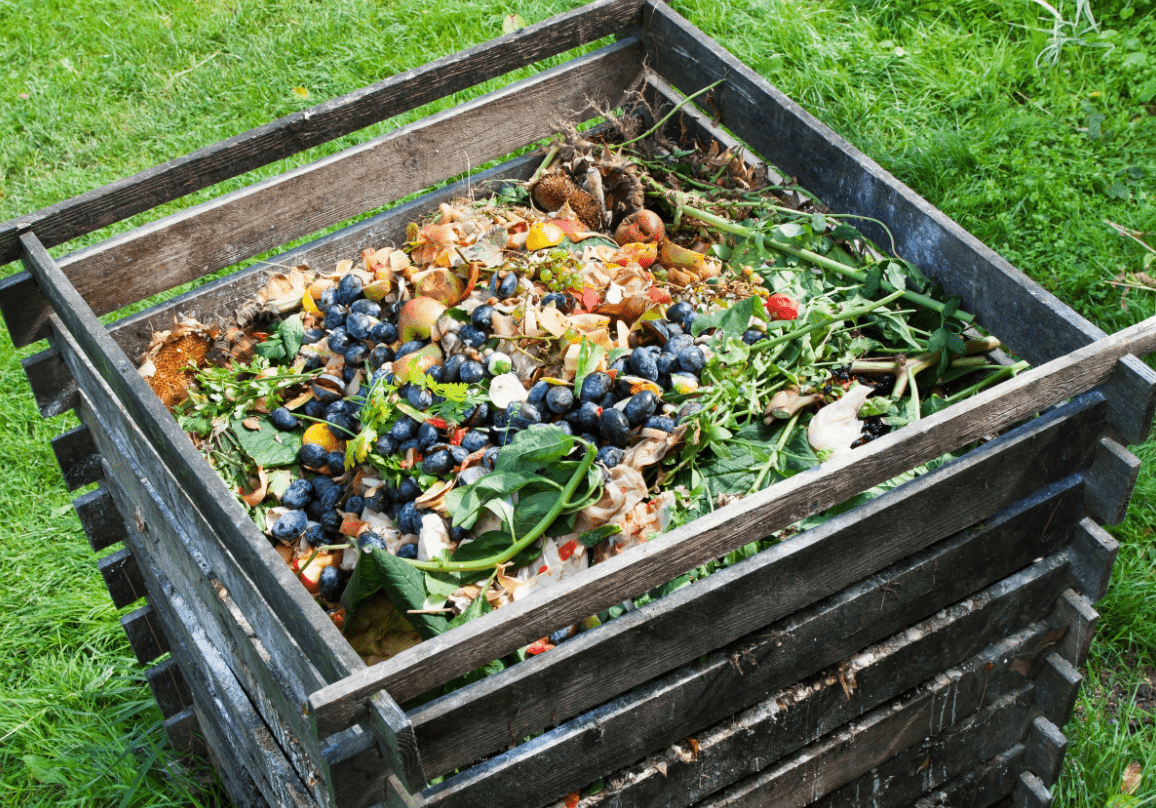
How does an onion skin or a rotten apple actually become soil again? Making your own compost has several advantages, which is why it's worth disposing of organic waste properly.

Compost, so useful in the garden, is actually a decomposition product. When organic matter is broken down by microorganisms in the soil under sufficient oxygenation, it produces not only humus but also minerals such as phosphates and nitrates. This process occurs naturally in nature, providing us with end products that we would otherwise have to buy in the form of environmentally unfriendly artificial fertilizers.
As a hobby gardener, you can also compost yourself and produce at least some of the compost used in the garden. Another advantage: the contents of your organic waste bin are significantly reduced, as garden and kitchen waste can be composted.
Many advantages – especially with homemade compost
Composting produces hardly any CO2 —approximately the amount that the composted plant components absorbed through photosynthesis during their natural life. A much larger portion of the CO2, however, is bound in the humus, which is also created during composting. Compost is therefore not only CO2 -neutral, but actually reduces the harmful carbon.
The humus substances impart new fertility to the potting soil or garden soil, thus improving overall soil quality. Furthermore, using compost as fertilizer eliminates the risk of soil salinization, as is the case with mineral fertilizers. Not to mention that you're stepping outside the chain of industrial production, transport, and sale of artificial fertilizers, thus conserving other resources.
Those who don't want or can't make their own compost can still buy it ready-made. However, this offers little control over the quality. The increasing microplastic content in compost is being criticized by more and more experts. For the best results, shredding is the best option.

Composting is not that difficult: What can be put in the compost – and what cannot
Nutrient-rich super fertilizer is easy to make yourself. The composted materials determine the quality of the finished compost. Kitchen scraps from fruit and vegetables, grass clippings, or leftovers from the vegetable harvest are particularly recommended. Leaves and twigs from the garden are less productive, as they take time to fully compost. Therefore, the ingredients should not be too bulky when mixed.
The following can be composted:
- Fruit and vegetable waste, windfall fruit
- Waste from kitchen and garden
- Coffee grounds and tea leaves, including the filter (paper)
- Cut flowers and potted plants
- Small animal manure expressly only from herbivores
- Crushed eggshells
- Tree pruning
- Pulled out weeds, but before flowering
- Leaves and grass, moss, needles of conifers
The following should not be composted:
- Meat scraps, fish waste, cooked food leftovers, oil, fat
- Fruit peels of tropical fruits
- Diseased plants
- Plastic, glass, metal
- diapers
- The contents of the vacuum cleaner bag
- Dog or cat feces
- cigarette butts
Smaller is better
Regardless of which of the permitted materials go into the compost, it's always best if the substances are no longer than a finger's length. Particularly hard components should be crushed, and before adding them, make sure to remove anything non-organic. After stacking, always mix the top layers thoroughly, as this makes the work easier for the small soil organisms and speeds up composting.
How long does composting take?
During the warmer months, it can be quite quick—the compost is ready in six, sometimes even four, months. In winter, it takes longer; if you start your compost in October, you may not be able to use it until the beginning of summer. The ideal time to add compost is late fall, so it's better to start it in spring.
It's easy to tell that the compost is ready – you can mix the loose, fluffy substance thoroughly with your hands without anything sticking. And: good, mature compost doesn't smell.

Better than the trash can – and good for the garden
Making your own compost isn't all that difficult, and anyone with a garden or allotment can easily build one themselves or buy one from a garden center. Kitchen and garden waste is returned to nature, and costly and harmful artificial fertilizers are eliminated. But even those who only garden on their balcony can use compost – potted plants, balcony plants, and plants in raised beds also benefit from this natural superpower.
While we at NIKIN are primarily committed to combating global deforestation, we also want to raise our community's awareness of the possibility of sustainable behavior in other areas of life. Counteracting nature through composting is one such opportunity.


