


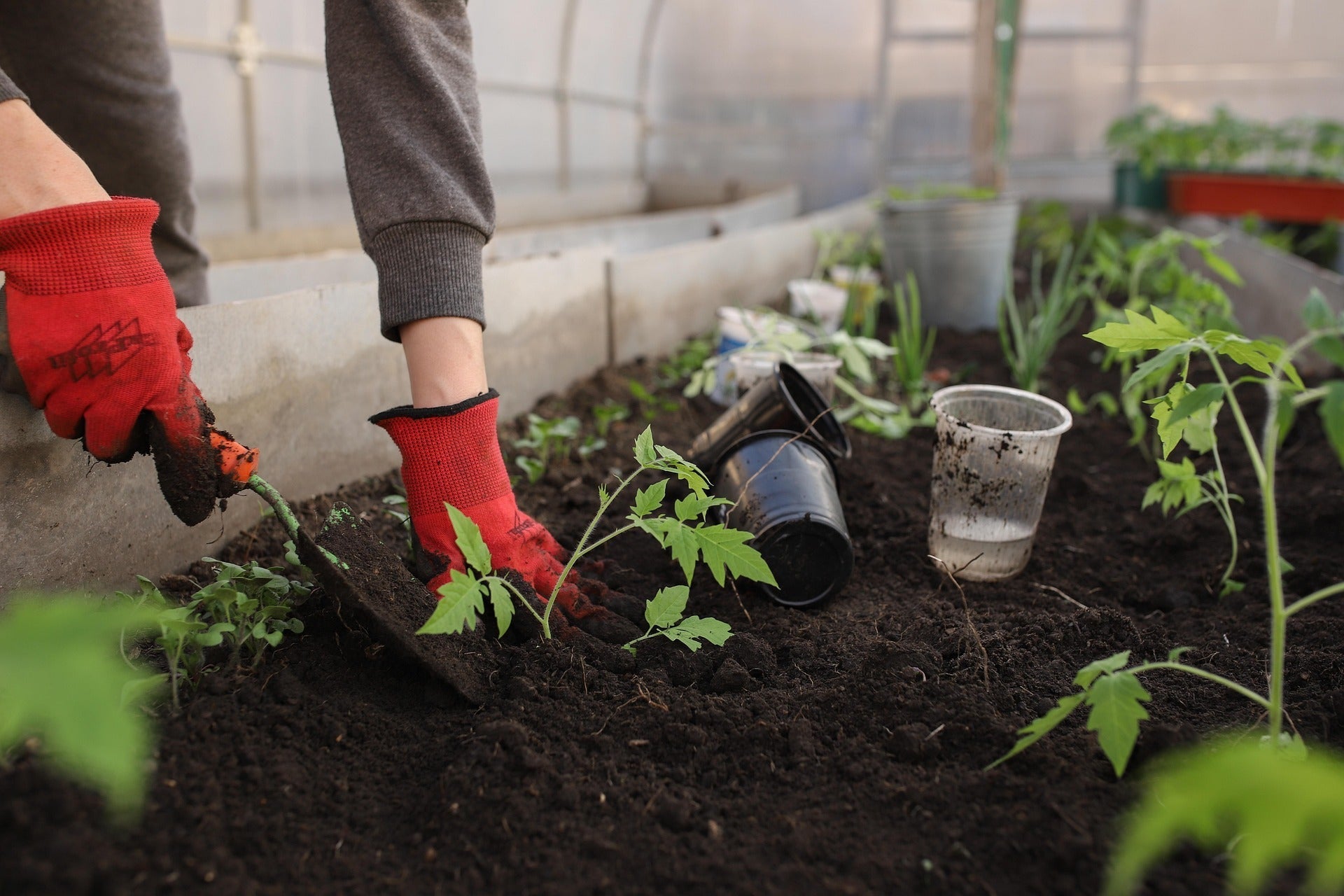
Whatexactly does urbangardening mean ?
Urban gardening encompasses all forms of gardening in urban spaces. Whether raised beds on balconies, herb boxes on windowsills, or community gardens on vacant lots – small green oases are emerging wherever there's space.
It's not just about growing vegetables, herbs, and flowers. Urban gardening also includes:
- Self-sufficiency in the city
- Preservation of biodiversity
- Raising awareness for sustainable consumption
- Community projects that strengthen neighborhoods
The idea: to experience sustainability, health and closeness to nature right on your doorstep – no matter how small the available space is.

The advantages of urbangardening at a glance
Why should you consider urban gardening ? Here are the key benefits at a glance:
- Local food production: You grow your own fruit and vegetables – without long transport routes.
- Reduction of CO₂ emissions: Local production reduces the ecological footprint .
- More biodiversity: Insects, bees and birds find new habitat in your garden.
- Mental health: Gardening reduces stress and has a positive effect on your well-being.
- Strengthening social contacts: Community gardens promote exchange within the neighborhood.
b Find out how you can live green in the city in our blog “For city children – tips for life in the urban jungle” .
Urban Startgardening : Here's how!
Urban gardening is amazingly easy – you just need a little space, creativity and patience:
1. Location analysis
- Balcony, roof terrace, windowsill or yard: find out which areas you can use.
- Check the lighting conditions: Some plants need a lot of sun, others thrive in the shade.
2. Plant selection
- Beginner-friendly plants: herbs such as basil, mint and chives or vegetables such as radishes and lettuce.
- Space-saving plants: Strawberries, cherry tomatoes or dwarf fruit trees are ideal for smaller areas.
3. Choose sustainable materials
- Use recycled pots, old boxes or pallets as planters .
- Make sure you use peat-free soil and organic fertilizer.
4. Care and harvest
- Giesse regularly and adjust the amount of water to the needs of your plants.
- Be happy about every harvest – even small successes bring great joy!
Inspiration: You can find the matching TreeShirt in our shop Ecosystem , so you have nature not only in your hands, but also on your back.

UrbanGardening and sustainability: Why it fits perfectly with NIKIN
Sustainability is at the heart of NIKIN. For every product sold, we plant a tree—a symbol of our commitment to nature. You too can actively contribute through urban gardening :
- Promote biodiversity in your city
- Reduce your ecological footprint
- Become part of a greener future
Additional tip: If you're looking for even more inspiration, check out this ZDF documentary about urban farming . It shows that farming can even be done in the middle of the city.
Urbangardening & sustainability – a strong duo
Urban gardening is sustainability in action: You use existing space wisely, support ecological cycles, and bring nature, sustainability, and relaxation right to your doorstep. Whether on a small balcony or a large roof terrace – every square meter counts!
At NIKIN, we live by similar values. For every product sold, we plant trees together with partners worldwide. Our goal: a greener future for everyone! Urban gardening and NIKIN are just two ways to integrate connection to nature and environmental protection into everyday life! You can learn more about our commitment on the page TreePlanting – Our Vision.
FAQ: Frequently asked questions about urbangardening
What do I need to start urban gardening ?
A sunny spot, planting containers , high-quality soil, and seeds are all you need. Simple herbs are perfect for beginners.
Which plants are particularly suitable for beginners?
Herbs (e.g. basil, mint), radishes, lettuce, strawberries and cherry tomatoes are considered easy to care for.
How much time do I need to invest in urban gardening ?
Depending on the plant selection, just a few minutes a day are enough to water and check.
Is urban gardening possible without a balcony?
Yes! Windowsills are ideal for smaller herb gardens. Community gardens often offer opportunities for participation.
Is urban gardening really sustainable?
Absolutely – you produce your food locally and reduce packaging waste and transport emissions.
Can I do urban gardening in winter?
With winter vegetables such as lamb's lettuce or spinach and a small protective cover, you can garden successfully even in the cold season.
How can I make my urban garden bee-friendly?
Plant flowering plants like lavender or coneflower – these provide food for bees and other pollinators.


