


Sustainable Fashion: What is "Fair Fashion"?
Sustainable, fairly produced, and manufactured fashion made from organically grown fibers is trending. Out of concern for their own health, but also out of a sense of responsibility and environmental awareness, more and more customers want to switch to clothing that meets the demands of fair fashion. But what exactly is "sustainable fashion"? Where can you get products that are ideally 100% "organic," and what should you look out for?
Ecological and Social Sustainability
When talking about sustainable or fair fashion, various factors can be distinguished. Ecologically sustainable cultivation avoids the use of chemicals in cultivation and processing, strives for the lowest possible consumption of resources, and uses mechanical harvesting methods. Products grown in this way are often completely biodegradable, do not harm the environment or do so significantly less, and have no harmful effects on the health of employees and consumers. Cultivation and processing are socially sustainable when attention is paid to appropriate wages, working hours, and occupational safety, when child labor is not part of the production chain, and when employees are socially protected and allowed to organize, for example, in trade unions. Organically grown fibers do not automatically lead to an "organic" garment. Here, the entire value chain is required.
The Checklist for Sustainable Fashion:
- Cultivation without chemicals in crop rotation, renouncing genetic engineering
- Socially sustainable cultivation and processing
- Appropriate wages
- Longest possible lifespan of the garment
- Suitable for second-hand or vintage trade
Fair Fashion is More Than Just Agriculture
Once the garment is finished and on the market, sustainability is far from fully utilized. This is shown by trends in upcycling and slow fashion. This involves the long-term use of high-quality produced garments – not the usual throwaway culture of cheap fashion, but wearing them for a long time and also reusing them as second-hand clothing or vintage fashion. The higher purchase price of high-quality garments is worthwhile in that they are significantly more durable and can be part of a "classic" wardrobe for many years. Conversely, the higher purchase price allows for fair wages and better working conditions for employees in agriculture and production.
In upcycling, worn garments are given a new life: as "raw material" for new creations, often even designer items from well-known labels, old clothes become new pieces; accessories like handbags or shoes can also be made in this way.
High-quality, durable natural fibers like cotton are particularly well suited for sustainable cultivation and long-term use. And with organic cotton in particular, consumers do themselves and the environment a lot of good.
Organic Cotton: Popular Natural Fiber from Sustainable Cultivation
Cotton – the cool white natural fiber is the stuff textile dreams are made of. Around 50% of all textiles in Germany are made of cotton. Cotton's durability and the fact that the plant fiber is so breathable are particularly valued – not only underwear, but also blouses, shirts, dresses, and jeans feel pleasant on the skin. Since cotton can absorb more than 60% of its own weight in moisture, you always feel nice and dry and fresh in cotton clothing, even on the hottest days. Jeans and t-shirts, as well as designer pieces, are often largely made of cotton today; fashion cannot avoid using "white gold." And accessories also rely on the fiber, for example, towels, fluffy bathrobes – everything made of terry cloth is cotton. The fiber is soft and skin-friendly, rarely causes allergies, and is also made of completely biodegradable cellulose. So, is everything perfect in the cotton cuddly paradise? Not quite...
Where Does Cotton Come From?
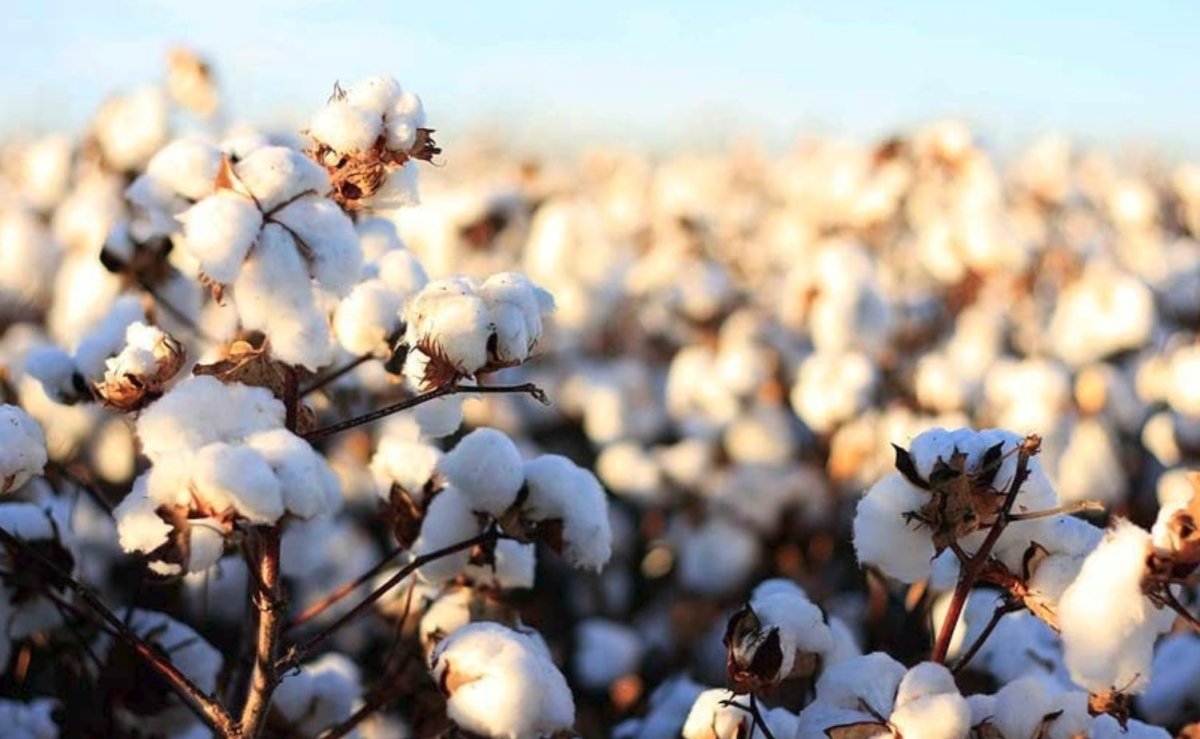
The cotton plant is not a tree, as the name might suggest, but an annual mallow plant resembling a low shrub. The cotton fibers are the woolly filling of the seed pods that contain the actual seeds. The plant grows slowly and has an immensely high water requirement – more than 2,500 liters of water are needed for one cotton garment. Since many productions rely on extensive monocultures that are repeatedly replanted with cotton, the need for fertilizers and pesticides is correspondingly high. In the medium term, this damages the soil and, of course, the health of agricultural workers. And the fiber itself also shows chemical contamination.
To reduce these less sustainable and sometimes downright dangerous side effects of global cotton demand, the cultivation of organic cotton is an obvious solution.
What is Organic Cotton?
Organic labels from Öko-Tex or GOTS, for example, indicate that the cotton for a particular product was grown according to the guidelines for organic farming. This means that the use of fertilizers and pesticides is fundamentally prohibited. Fertilization is therefore done with natural substances such as compost or manure. In addition to the fertilizing effect, this method improves soil quality and humus content and increases water storage capacity. Therefore, cotton plants in organic cultivation require less water.
Pest control is carried out through "diversionary tactics" such as planting sunflowers between the cotton fields – because they taste much better to the cotton beetle. So, those who buy a garment made of organic cotton protect several square meters of soil from chemical agents.
Harvesting is also done sustainably – fairly grown cotton is hand-picked, without the use of defoliants. And afterwards, crop rotation must be used, meaning a different plant is grown to allow the soil to recover.
Especially for small farmers in India, Africa, or South America, the cultivation of organic cotton is a real blessing, especially since they can use the seeds from the cotton pods as seeds for the next sowing. Conventional cotton cultivation, on the other hand, often uses genetically modified plants that are sterile. In addition, organic cotton is usually fair trade. Nevertheless, only about 1% of worldwide cotton cultivation is "organic" – so there is definitely a need for action here. This is best controlled by the consumer. Because with fair fashion, they have the choice!


