


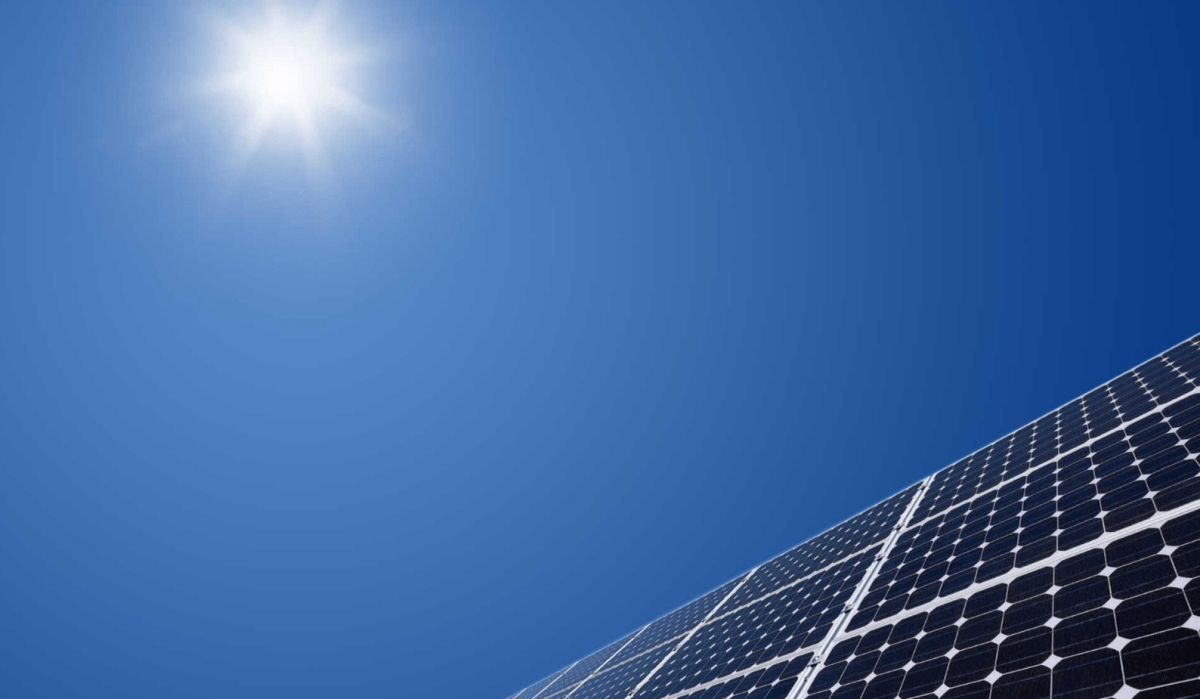
Solar energy refers to the energy that can be extracted from the sun's rays. This includes not only the energy generated by converting solar radiation into electrical current, but also direct solar heat and the thermal utilization of solar radiation. The sun's radiance is based on the electromagnetic radiation released at the surface of the celestial body—at an estimated, almost unimaginable temperature of approximately 5500°C.
How does the use of solar energy physically work?
The sun's rays that reach us are products of the nuclear fusion processes taking place inside the sun. When these rays hit the Earth's atmosphere, they still have an intensity of approximately 1367 watts per m². Some of the solar radiation is already trapped, scattered, or reflected by particulate matter in the atmosphere. The atmosphere itself is already heated by the sun's rays and thus absorbs a significant portion of the radiation.
What's left reaches the Earth's surface and exerts its effects there. The sun's rays are used by plants for photosynthesis, the conversion of carbon monoxide into oxygen. We owe the air we breathe to this process.
When people use solar energy, they do so in various ways using photovoltaics or photothermics:
- Use solar cells in photovoltaics to generate direct current
- Gaining heat through solar collectors in the context of photothermics
- Electricity generation in solar thermal power plants using heat and steam
- Electricity generation from sun-heated air in so-called updraft power plants
- Solar ovens or cookers for heating food, medical devices, and much more
- Solar balloons whose flight ability is based on the hot air inside
What are the advantages and disadvantages of solar power?
When it comes to harnessing solar energy, experts distinguish between solar collectors and photovoltaic systems. Solar collectors, for example, can be used to heat water for household needs; a storage medium is not required. However, the collectors only perform at their best in very good weather and clear skies. At night, once the heated water supply is used up, showering is no longer possible.
Photovoltaic systems, on the other hand, can generate electricity that is fed into the grid. The generator is remunerated for the electricity generated. Conversely, households with a photovoltaic system can feed in electricity during the day and then draw electricity from the grid at night.
Such systems are, of course, much more expensive to purchase than relatively simple collectors. Users also need to calculate the system's size and performance to ensure a reasonable return on investment. Those with sufficient roof space can depreciate a photovoltaic system of 20-30 m² within approximately 15 years.
Storing the solar energy generated is also complex. Work is still underway on suitable chemical storage media; the use of hydrogen cells is conceivable.
How great is the benefit of solar energy?
Larger photovoltaic systems are complex panels made of semiconductors that convert solar radiation into direct current (DC). This current is then converted and can be fed into the power grid. These systems have become significantly more affordable than they were 10 or 15 years ago and are among the most important sustainable methods of generating electricity. Because modern solar cells have an extremely high conversion rate, they also work well in northern latitudes.
The potential is far from exhausted. At least a quarter of the world's energy needs could be met by solar power by the middle of the century. Solar energy can be used not only for electricity, but also for hot water and room heating – both actively and passively, ideally in combination with appropriate building renovation and insulation.

Passive and active use of solar energy
Solar energy has been used passively for thousands of years – particularly in the orientation of buildings. This is intended to capture maximum light and heat through the windows. At the same time, so-called "passive houses" must, of course, also have appropriate thermal insulation to keep the "captured" solar heat inside.
If, however, solar radiation is to be actively utilized, a solar collector for hot water production or a photovoltaic system for generating electricity is necessary. Regardless of the choice, users can incorporate the panels or other components into the design of a building.
Using solar energy – it’s possible almost everywhere
With highly efficient new solar panels, the sun's power can be converted into energy even in northern latitudes. Even the smallest amounts of light are utilized. Mobile solutions have also been considered. Solar pads, for example, offer an ideal energy supply for outdoor enthusiasts. The pads are essentially portable solar cells. They can be attached to a backpack or car roof and, by the end of the day, have generated power for your cell phone, camera, or hot shower water. Solar energy is therefore not only incredibly sustainable – it's also extremely portable!
NIKIN – for a more sustainable approach to the environment
Although at NIKIN we primarily focus on sustainable materials for the fashion industry and combat global deforestation, it's important to us to also think sustainably in other areas of life. We want to motivate people to rethink their lifestyles and, if possible, make them more sustainable. It's time to consider alternative energy sources beyond conventional ones. One of these is the use of solar energy, which is gradually becoming more affordable thanks to technological advances and is also experiencing a boom in Switzerland.


