


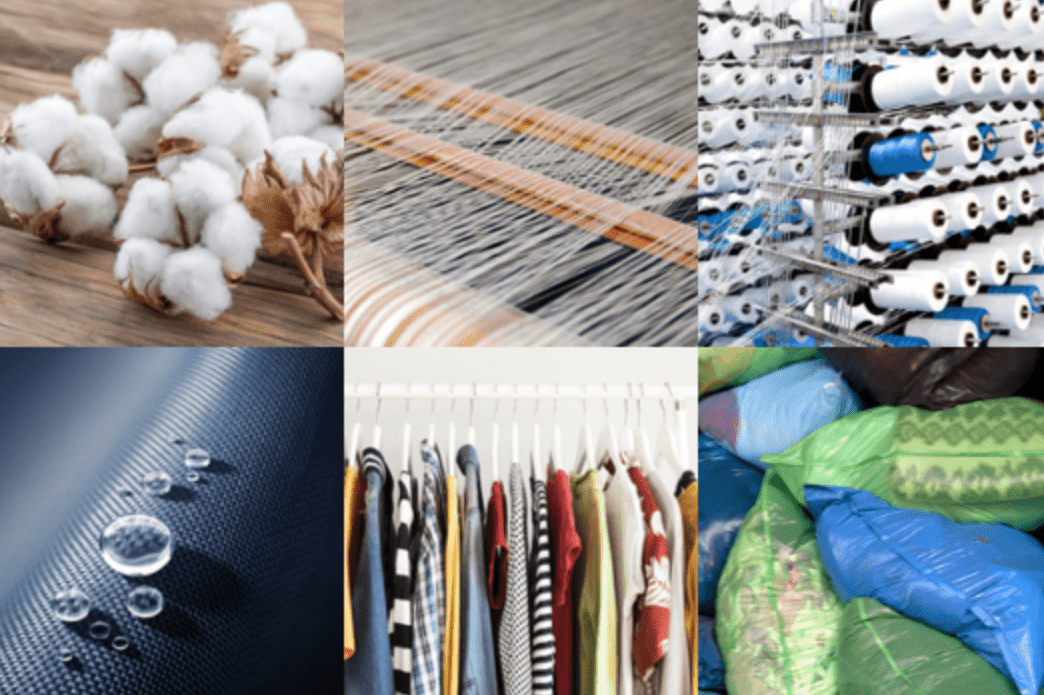
It's becoming increasingly clear that the thoughtless consumption of textiles poses problems for both the environment and people. Consumers increasingly want to actively contribute to conserving the planet's resources and improving working conditions in the countries where textiles are produced. The alternatives that seem to be available are organic cotton and recycled versions of synthetic materials like polyester. What can these eco-friendly fabrics do—and what can't they do?
Organic cotton: why it protects the environment
Cotton is a greedy crop. Cotton cultivation consumes vast amounts of water, and not only that: To ensure high yields, herbicides and pesticides are used. These poison not only the soil and groundwater, but also the people who work in the textile industry and, ultimately, the consumers.
In organic cotton cultivation, however, harmful factors are consistently avoided. It starts with the seeds. The cotton seeds must not be genetically modified. Artificial fertilizers, herbicides, and pesticides are not used in cultivation, even though manual weeding is extremely laborious. The results are impressive: anyone who buys just one T-shirt made of organic cotton receives 7m² of soil free of chemical pollutants! Water consumption is also lower with organic cotton. While one kilogram of cotton in "normal" cultivation consumes more than 10,000 liters (!) of water, targeted drip irrigation in organic farming requires just over half that amount. An equally important factor is that the people involved in cotton cultivation and the textile processing industry must not be exploited so that the finished fabric truly deserves its organic label. All of this comes at a price. Accordingly, a garment made from the soft, breathable fabric is more expensive than “fast fashion” made from conventional cotton.
What is recycled polyester?
Approximately half of the clothing produced worldwide is made of polyester – and the trend is rising, especially in sports and leisure fashion. However, these durable, stretchy fabrics are not sustainable because they are made from the plastic PET, a by-product of the petroleum industry. Polyester can, however, be recycled. The resulting material, known as rPET for short, is created by melting polyester and spinning it into new fibers. The yield is good: five plastic bottles can be used to make fibers for one T-shirt! This naturally reduces the consumption of new synthetic fibers and helps to ensure that less plastic waste ends up in the environment. However, PET is not infinitely reusable. With each recycling process, the molecules are broken down and partly unusable. The "yield" of recycling is therefore becoming increasingly smaller. Furthermore, the recycling process itself consumes energy and chemicals and releases microplastics.
Not perfect – but better
A "perfect" solution for textile production doesn't exist – yet. Neither the increasingly popular organic cotton nor rPET-based garments can be produced in a completely environmentally and pollutant-neutral way. Nevertheless, they are, of course, preferable to conventionally produced textiles because they significantly reduce the impact on people and the environment. Through conscious consumer behavior, i.e., by purchasing a few high-quality items instead of constantly renewing their "fast fashion" wardrobe, consumers can make a significant contribution to reducing environmental impact! Because here, too, it's not just quality that counts, but quantity too!
How NIKIN is committed
At NIKIN, we want to help consumers consciously choose clothing that is less harmful to the environment with our range of sustainable products at fair prices. Therefore, we are always looking for suitable sustainable alternatives to conventional materials. For some time now, we have been using GOTS-certified organic cotton and recycled polyester for our textile products instead of conventional textiles. Of course, we are aware that we are not yet perfect, but we are well on our way in the right direction! Our goal: We want sustainable materials to become the norm and not just a luxury for the few. We want to make sustainable and fair fashion accessible and affordable for everyone.


