


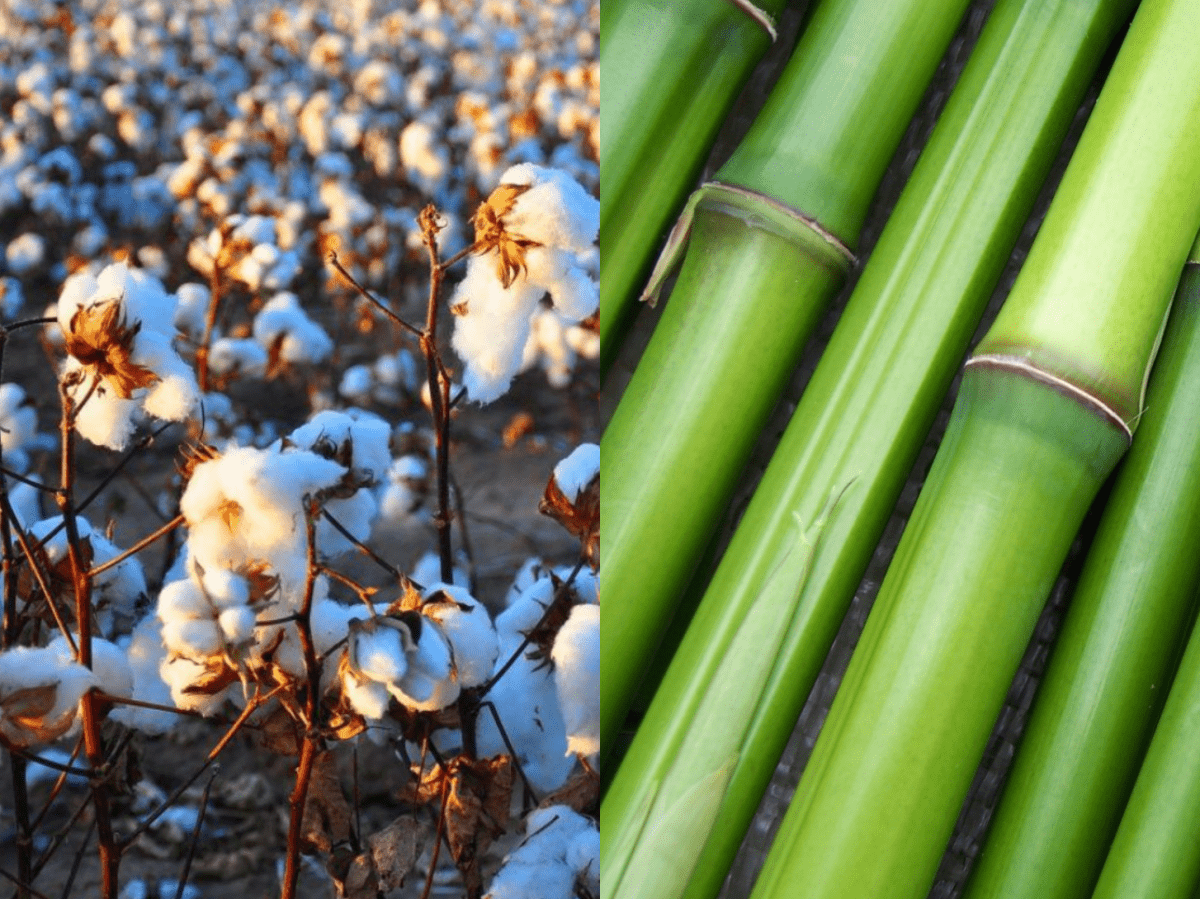
Especially when it comes to textiles, more and more people are turning to clothing that carries labels such as eco-friendly, organic, or fair trade. They're supposed to be sustainable and environmentally friendly, while consumers also value the exceptional comfort of cotton, in particular. But how sustainable is organic cotton? And are there alternatives?
What is organic cotton?
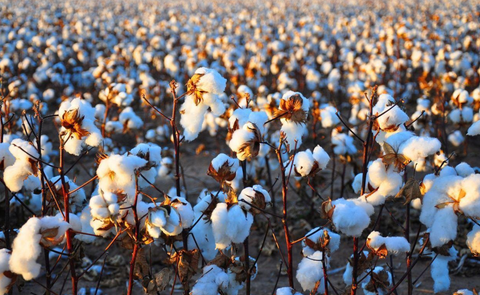
Organic cotton cultivation requires that no chemicals such as pesticides, herbicides, or artificial fertilizers be used. The entire cultivation and processing chain must be traceable in this regard.
Benefits of organic cotton
The advantages are obvious: Textiles made from organically grown cotton are great to wear. The soft, comfortable fibers last for years, even decades, are non-harmful to health, and do not pollute the soil or groundwater. Even those working in the cotton industry are not exposed to toxins. And because cotton is a renewable resource, it can be cultivated indefinitely.
Disadvantages of cotton cultivation
Well... cotton is a renewable agricultural product. However, the plants consume enormous amounts of water. And even with sustainable cultivation, a single T-shirt still uses enough chemicals—up to 200g.
Processing vulnerability
The crux of cotton processing is often the dyeing process. Even if everything has gone well up until that point, chemical treatments are often used here. The vibrant colors of cotton fabric are usually impossible to achieve otherwise. Those who forgo this option have to settle for more "subtle" colors.
Typical products made from organic cotton
Parents of small children are particularly likely to choose organically grown cotton. Because if a garment is to meet the highest standards, the entire manufacturing process, including the treatment and dyeing of the fibers, must be considered. That comes at a price. But for their own children, you're willing to dig deeper into your pockets. Allergy sufferers also appreciate organic cotton, among other things because the durable fibers can be washed even at high temperatures.
What is bamboo and what can this wonderful fiber do?
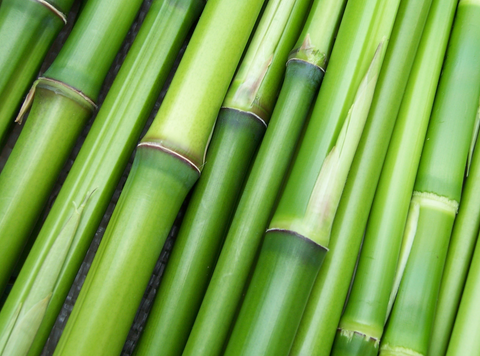
Bamboo has been processed into fibers in Asia for centuries and used for clothing, hats, and shoes, as well as mats. What few people in Europe know is that bamboo is not a tree, but a grass, albeit a very agile one. Some species grow a meter per day. The plant is considered robust and weather-resistant, and its growth benefits the soil. Bamboo fibers and textiles made from bamboo fibers are often touted as an alternative to water-absorbing cotton.
Benefits of bamboo fibers
Bamboo textiles are breathable and silky soft. They offer the same comfort as silk, yet the material is easy to care for and absorbent. Bamboo also has hypoallergenic, antibacterial, and insect-repellent properties! It's wrinkle-free and machine-washable, requiring no fabric softener. Since bamboo fibers are excellently dyeable, you can achieve stunning, beautiful results even with organic dyes.
Like cotton, bamboo is a renewable agricultural product—it even grows back very quickly. Since the plant is already resistant to bacteria and pests, it doesn't require any chemicals to grow. Bamboo uses little water, thrives even in poor soils, and even improves them. A miracle plant? Not quite!
Disadvantages: especially in processing
While bamboo itself is an undemanding and extremely useful plant that quickly shoots up into the air practically everywhere, the problem here lies in its processing. Making the fibers supple requires a lot of water and a vast amount of chemicals. And this immediately undermines organic cultivation. What helps is a look at the certification – even with bamboo textiles, an Oeko-Tex label indicates that the manufacturing and processing processes meet sustainable standards.
Typical textile products made from bamboo
Textiles made from bamboo yarn aren't yet widespread. However, word has already spread: Bamboo sheets and lightweight blankets adapt to cool or warm weather and are also hypoallergenic.
Bamboo or cotton – which is better?
Can you choose between the two fibers when it comes to sustainability? Here, we can say a resounding yes and no! On the one hand, despite the not always "clean" processing, bamboo is certainly a more sustainable material than cotton and offers comparable, if not even greater, comfort. On the other hand, appropriate certifications that ensure transparency for consumers are still lacking. The ultimate solution has still not been found among alternative fibers. One possible alternative: textiles made from algae, produced with environmentally friendly cellulose solvents. Such fabrics are not only healthy for the skin, but can also be worn by small children and offer a luxurious feel, like silk or cashmere.
Our conclusion: how good are bamboo or cotton really?
No matter which fiber you choose, it's essential to take a close look at the entire manufacturing process. Not only cultivation, but also processing must be considered. Recycling natural fibers is also a good way to minimize environmental impact.
At NIKIN, we place great emphasis on sustainable products at fair prices. Therefore, we are always on the lookout for suitable, sustainable alternatives to conventional materials. We have been using organic cotton and recycled polyester for some time now, instead of conventional versions, which are often not very sustainable. We want sustainable materials to become the norm and not just a luxury for the environmentally conscious elite. We want to make sustainable and fair fashion accessible and affordable for everyone and have already tried out various alternatives – such as recycled cotton fibers from old jeans (for our Treeanies) or bamboo for our TreeSocks. We are happy with both, although both materials have their advantages and disadvantages. Of course, we are far from perfect, but we are definitely moving in the right direction. That's why we are always on the lookout for even more sustainable materials for our products!
What our customers can do
By choosing your own clothes, you can make a statement against disposable fashion. Definitely for quality, not quantity. It's better to buy a few, but good quality items. This comes at a price – but in the long run, purchasing such items is worth it. Quality is good for the environment. And in the long run, it's also good for your wallet.


