


In this blog, we'll look at practical and easy ways to brighten up your home while protecting the environment . Let's get started.
Chemical cleaning products from the store
If you walk through a store, you'll find countless cleaning products that promise fast results and bacteria-killing power. If you look closely at the label, you'll also encounter a number of ingredients such as phosphorus, chlorine, nitrogen, and ammonia. Many of these are known as volatile organic compounds (VOCs), and the United Nations refers to VOCs as air pollutants . Cleaning products are often washed down drains and can enter the water cycle, harming wildlife and taking years to break down. One of the effects of even the smallest amounts of chemicals getting into lakes and rivers is that phosphates build up over time. These act like artificial fertilizers and cause algae to grow faster, which is difficult for aquatic life and is known as eutrophication.

A return to grandma's cleaning products
There are other ways your home can shine and sparkle without conventional means. When it comes to eco-friendly cleaning, Grandma really knew best. A century ago, store-bought chemical cleaners were a rarity. Instead, people relied on tried-and-true, homemade cleaning products that got the job done without harming the environment. Made from natural ingredients like lemon juice, vinegar, and baking soda, some cleaning products were even safe enough to consume! Using old newspaper, recycled textiles, and reused jars and containers was Grandma's way of maintaining a sparkling clean home with minimal environmental and financial costs. Let's see what tricks and techniques we can learn from Grandma!

- Vinegar: Your Eco-Clean Secret for Countless Green Hacks
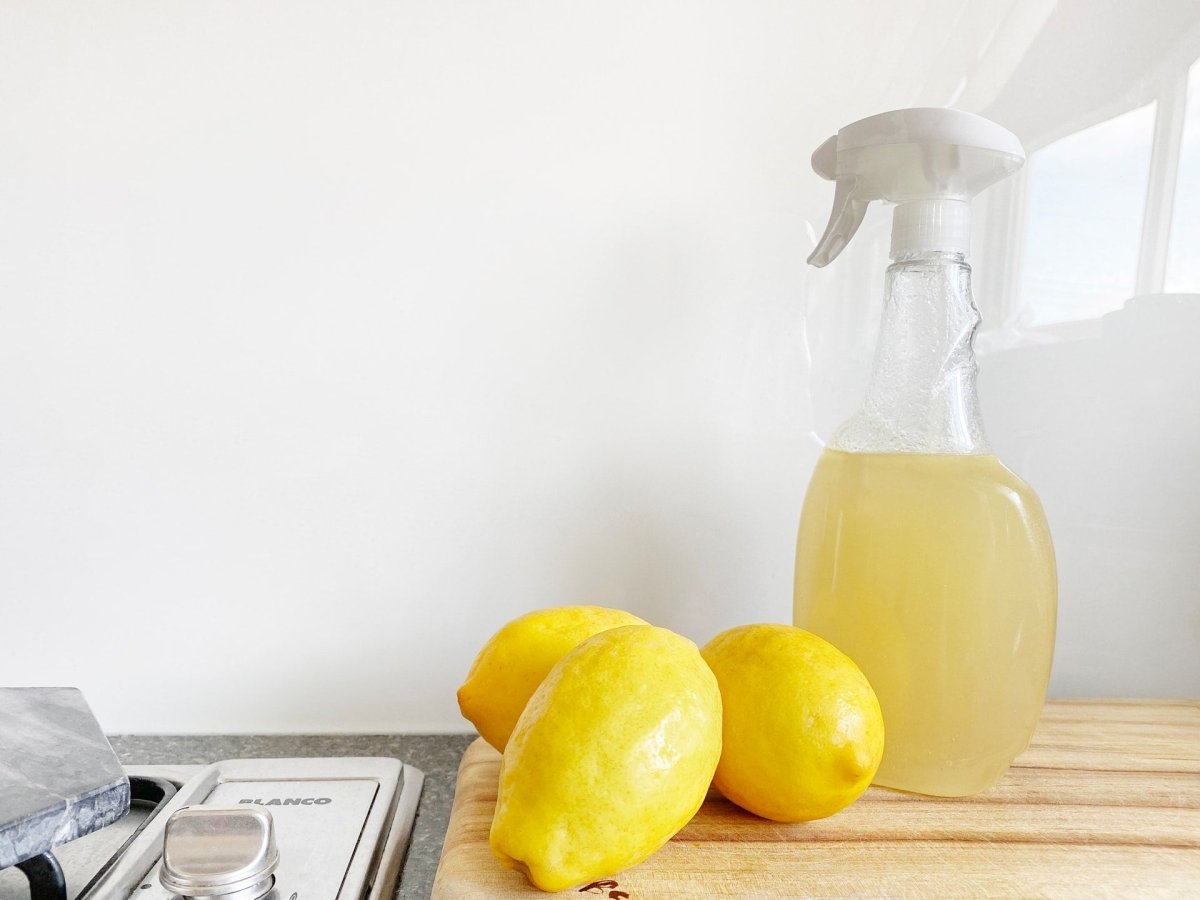
White vinegar is an inexpensive, all-purpose cleaner for a clean, green home. The acid in vinegar removes grease, rust, and limescale, and has disinfectant properties. Try splashing distilled white vinegar around the rim of the toilet and letting it sit overnight to combat limescale. For kitchen cleaning, you can add a few drops of white vinegar directly to the glass backsplash or tiles to remove cooking grime. Buff with a crumpled ball of newspaper or an old T-shirt cut into a cleaning cloth. Make a simple cleaning spray with 3 parts water and 1 part distilled vinegar to spray and disinfect surfaces. You can also add lemon juice to enhance the grease-cutting power of the acid. If you do this, use an old spray bottle and label it so you know what's in it. Make small batches so you can make a fresh spray each time. White vinegar is also a fantastic laundry additive that can soften fabrics, brighten whites, and also keep your washing machine clean and odor-free. Add up to 1/2 cup of white vinegar to your final rinse. For a monthly washing machine cleaning, you can add 4 cups of vinegar to the washing machine while running an empty load.

- Cleaning with baking soda
Baking soda can be used as a cleaning agent , but is usually stored in cupboards and is a kitchen staple. Baking soda dissolves mineral deposits and grease, acts as a disinfectant, and neutralizes unpleasant odors. Once a week, try pouring a cup of baking soda down the drain using a funnel. Ideally, let it sit overnight. In the morning, add 1 cup of distilled white vinegar to get the drain fizzing. Once the reaction has subsided, pour boiling water down the drain to remove the dissolved sludge.
Baking soda and vinegar also work well together when it comes to cleaning your oven. Make a paste of equal parts baking soda and water. Spread it on the inside of your oven and let it sit overnight. In the morning, wipe it down with water, then use vinegar for a final polish. Baking soda can also be used in the refrigerator to combat unpleasant odors—leave an open container filled with baking soda on your refrigerator shelf. The powder absorbs odors and will likely stay effective for up to three months. You can even use it to combat the smell of sweaty sneakers: Sprinkle it inside the shoe and let it sit overnight before emptying it in the morning.

- Castille Soap: A vegan cleaning hero
Castille soap originates from the Castile region of Spain and is made from vegetable oils such as olive or coconut oil and caustic soda. The soap is completely biodegradable and can be used for a variety of cleaning tasks. You can use Castille soap as a detergent for washing dishes or doing laundry. Add 1/4 cup to a bucket of hot water to mop floors. You can even use Castille soap as a body wash and pet shampoo. This multipurpose feature means you don't have to buy dozens of different products for different tasks.

So, green cleaning doesn't have to be a chore. There are plenty of hacks and tips online where you can discover more eco-friendly ideas to keep your home spotless and fresh. With a clear conscience and a sparkling home, you can take the next step toward "green cleaning."
This post was written by guest author Jade Piper.


