


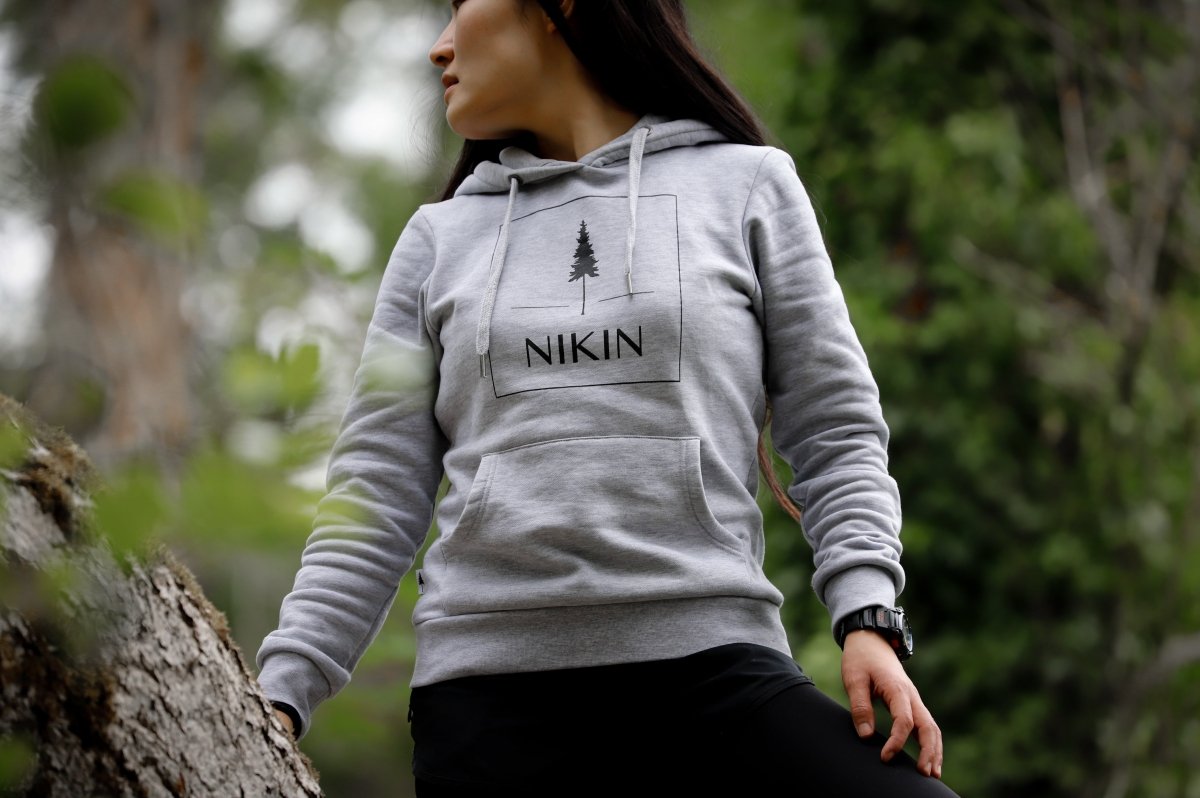

Customers sometimes ask us whether we are a fast fashion or slow fashion brand. Indeed, we address this question in many areas. A look behind the scenes of a growing company in the field of fashion and sustainability.
Our customers are entitled to ask us anything, and we are happy to answer. Ultimately, the shopper should fill their shopping cart with a clear conscience. When it comes to the topic of fast versus slow fashion and where we see ourselves, we'd like to take a closer look. This is to show you what we think about and why we see ourselves more in the slow fashion space.
But what exactly is fast fashion and what is slow fashion?
Fundamentally, there is no single definition for the two ways of producing, selling, and consuming fashion. NIKIN defines fast fashion as the very rapid production of goods that are not designed to last or outlive a "trend." The digitalization of recent years, as well as the globalization of production chains, has enabled the fashion industry and consumers to produce and buy more and more clothing ever faster. It goes without saying that this is a burden on nature and the environment.

Conscious shopping with a fair brand
The slow fashion movement is taking a stand against this . Its concept is to wear clothes for longer, release new collections less quickly, and instead create timeless clothing that lasts. Materials and production processes should also be chosen and organized more consciously. Slow fashion also includes making clothes yourself, repairing them, or shopping secondhand. Another important point is the focus on people themselves: how they shop and the awareness they develop of their own behavior. This also includes knowing the attitudes of your favorite labels. Which brings us back to the topic: is NIKIN "fast" or "slow"?
What our employees say
We'd like to get answers from our employees. After all, they are the ones who incorporate our values, such as environmental awareness and a close connection to nature, on various fronts. "We are definitely not a fast-fashion brand; we place too much emphasis on sustainability for that," says Patrick, Head of Buying. Priscila, who designs NIKIN's product range, adds: "We have a very conscious approach to product development and focus on basics. We also attach great importance to product quality. Therefore, in my opinion, NIKIN stands for slow fashion." Luca, Team Leader of Marketing, continues: "We are a growing company and therefore constantly have new releases – this certainly doesn't make us completely perfect." However, NIKIN consumers have the assurance that the clothes are manufactured under fair conditions in Europe, are made from sustainable materials, and "we invest a lot of resources in our external communications for the benefit of the environment."

How to make slow fashion work in your everyday life
In fact, it's not just the fashion brands themselves who bear responsibility. You too can help and make a big difference with just a little! In addition to consciously choosing where and from whom you buy your clothes, you can do the following:
- Ask yourself: How important are trends to me? Start looking for timeless designs.
- Appreciate the clothes you have: take care of them and maintain them properly
- Do you really need the item? Only buy what you will actually use and think carefully about how long you will wear the item.
- Repair, recycle, donate, swap, and sell old clothes. Work to ensure your clothes can be reused elsewhere.
Do you have questions for us and want to know more? Or do you have other ideas on how to implement slow fashion in everyday life or at NIKIN? Then write them in the comments below.


