


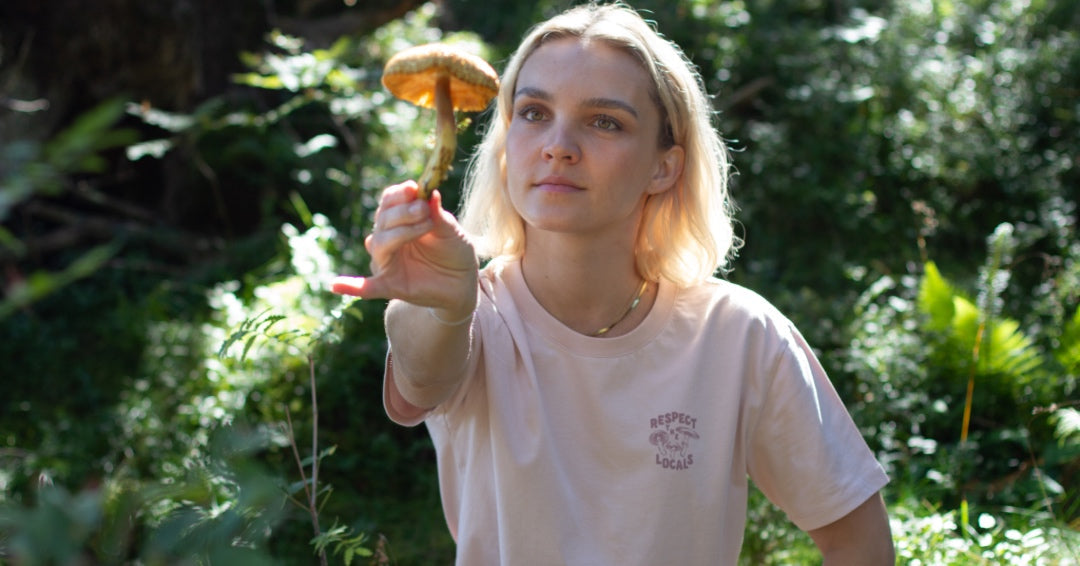
Mushrooms are far more than just a forest plant
September is here again: Anyone walking through the forest at this time knows the moment when a colourful mushroom cap flashes through the leaves. If you think that mushrooms just sprout randomly from the ground after damp rainy days, you're mistaken. Mushrooms are often misunderstood and are actually important, silent engines of our ecosystems. The actual living organism, the mycelium, lies hidden in the soil, decomposing dead material, returning nutrients, and creating habitats for countless organisms. Without them, there would be neither fertile soils nor healthy forests.

Did you know…?
But mushrooms are not only indispensable for our forests; they are also true masters of adaptation and full of secrets. Some of them sound almost too incredible to be true. For example, did you know that...
- the largest living organism in the world is a fungus? The honey fungus in Oregon spans more than 9 square kilometres and is estimated to be 2,400 years old – some researchers even suspect almost 8,000 years. You can read all about it here.
- Cordyceps fungi specifically infect insects and take over their bodies to optimally spread their spores? They are also known as "zombie fungi" and were the inspiration for the game and series The Last of Us, which is available to stream on Sky.
- over 80 mushroom species glow in the dark? Researchers suspect this happens to attract insects for spore dispersal.
- mushrooms are more closely related to animals than to plants? Their cell walls contain chitin, just like insects.
- some species can break down plastic, oil, or even concrete? This holds enormous potential for environmental and recycling projects – making them true circular economy artists.
- mushroom spores can influence the weather? They act as condensation nuclei and can thus trigger rain formation.
- mushrooms are medicinal all-rounders? Penicillin comes from a mould, and many species are being researched for cancer and immune therapies.
These astonishing properties show how versatile and valuable mushrooms are – for our forests, for science, and for us humans. Precisely because they are so much more than just a pretty sight or an ingredient in the kitchen, they deserve special protection and respect.

Respect the Locals – how to mushroom hunt sustainably and respectfully
Mushrooms are an important part of nature's delicate balance. Anyone who collects mushrooms should therefore always show respect and walk carefully through the forest. Our mushroom etiquette with 15 tips will help you interact respectfully, safely, and sustainably with these fascinating forest dwellers:
- Go early and after rain, as this is when the chances are greatest.
- Keep enough distance from other collectors and their finds – respect also applies among each other.
- Only collect species that you can identify with certainty.
- Do not destroy poisonous or inedible mushrooms, as these also play an important role in nature.
- Carefully twist out the mushroom or cut it just above the ground and cover the spot again to protect the mycelium.
- Harvest only as much as you really need; the rest stays for animals and the ecosystem.
- Do not leave any rubbish in the forest; leave the place as you found it.
- Only use baskets that allow good air circulation for collecting – this is gentler for the mushrooms and the environment.
- Pay attention to protected areas and local collection rules; in many regions, quantity or collection day restrictions apply.
- Do not eat raw mushrooms and have them checked by an official mushroom inspection centre before preparation – you can find a directory of inspection centres near you here.
- Do not rely on old home remedies such as silver spoon tests. Only experts can safely identify mushrooms.
- Fresh mushrooms do not keep long, so prepare and enjoy them as soon as possible.
- Mushroom dishes can be reheated a second time if stored in the refrigerator and thoroughly heated before consumption.
- In case of discomfort after a mushroom meal, seek immediate medical help or contact the Swiss Toxicological Information Centre (Tel. 145).
- And sometimes, it's enough to simply observe, photograph, or draw mushrooms – that's also a form of respect.

Forest Delights: Recipes with Swiss Mushrooms
Those who respectfully gather mushrooms are rewarded with a special gift from nature, for they are versatile culinary stars: whether fresh from the forest or from the market – mushrooms bring depth, aroma, and a touch of forest magic to the plate. Here are a few ideas on how to transform your finds into delicious dishes:
- Chanterelle Pan: Clean chanterelles, sauté in butter with onions, season with parsley and salt. Goes well with pasta, potatoes, or fresh bread.
- Porcini Risotto: Soak dried porcini mushrooms, cook with risotto rice, white wine, and vegetable broth, refine with Parmesan.
- Grilled Oyster Mushrooms: Marinate in olive oil, garlic, and thyme, grill briefly – delicious with salads.
- Morel Cream Sauce: Soak morels, sauté with shallots, simmer with cream and a little white wine – perfect with Spätzli.
- Mushroom Soup: Dice mixed mushrooms, sauté with onions, add vegetable broth and cream, blend and garnish with chives.
- Autumn Mushroom Gratin: Layer mixed mushrooms with potato slices, cream, and cheese, bake in the oven until golden brown.

From Morel to Fly Agaric – the Stories on Our Shirts
So, have you acquired a taste for mushrooms yet? If so, you can now proudly wear them on your clothes. With our new Mushroom Collection, we want to give these silent inhabitants of the forest a special stage and show how important it is to protect them. Just like with our tree projects, we combine design with a connection to nature:
- The TreeShirt Mushroom with large backprint features 10 of the most beautiful mushrooms found in Switzerland – from the morel and porcini to the chanterelle and the striking fly agaric.
- A patch shirt with a subtle, clear message of respect for nature.
- A limited edition mushroom knife with a stainless steel blade and walnut wood handle – perfect for sustainable collecting. This is exclusively available at our TreeHouse in Aarau.
For every shirt sold, we plant a tree – thus making a statement for the protection of our nature, from the smallest mycelium to the largest tree.

A Thank You to the Silent Helpers of the Forest
Normally, at NIKIN, we plant trees and protect forests, but we believe that the silent, often overlooked inhabitants of the forest deserve just as much attention. They connect, nourish, protect, and maintain the balance in our ecosystems. For us, "Respect the Locals" means honouring these quiet helpers and giving them the space and respect they deserve. Encounter them with open eyes and a respectful heart – whether in the forest or simply on your next walk.
FAQ – Mushroom Picking in Switzerland
When is the best time to pick mushrooms?
Depending on the species: Morels in spring, chanterelles and porcini in summer, the widest selection in autumn, and oyster mushrooms and velvet shank in winter.
Do I need a permit?
Mushroom picking is generally allowed in Switzerland, but there may be quantity and collection day restrictions depending on the canton or municipality. Always check local rules beforehand.
How do I identify poisonous mushrooms?
Only through confident identification or checking by experts. When in doubt, leave them – some poisonous species look deceptively similar to edible ones.
Can I eat mushrooms raw?
Many edible species are poisonous raw. Always cook mushrooms thoroughly to break down toxic substances.
What should I do if I'm unsure?
When in doubt, do not harvest or have the mushrooms checked at an official mushroom inspection centre. The municipal administration can provide information on the nearest inspection centre.
How do I pick mushrooms correctly?
Carefully twist out the mushrooms or cut them just above the ground and cover the spot again to protect the mycelium.
Am I allowed to pick mushrooms in nature reserves?
In many protected areas, collecting is forbidden or severely restricted. Pay attention to signs and local regulations.
How do I store fresh mushrooms?
Process freshly picked mushrooms as soon as possible. For a short time, store them in an open paper bag in the refrigerator – not in plastic, as they will spoil faster.
Can I dry or freeze mushrooms?
Yes. Many species can be dried (e.g., porcini) or blanched and frozen (e.g., chanterelles) to preserve them longer.
Are all brightly coloured mushrooms poisonous?
No, but many intensely coloured species are inedible or poisonous. Colour alone is not a reliable identification feature.
What should I do in case of mushroom poisoning?
In case of discomfort after consumption, seek immediate medical help or contact the Swiss Toxicological Information Centre (Tel. 145).


