


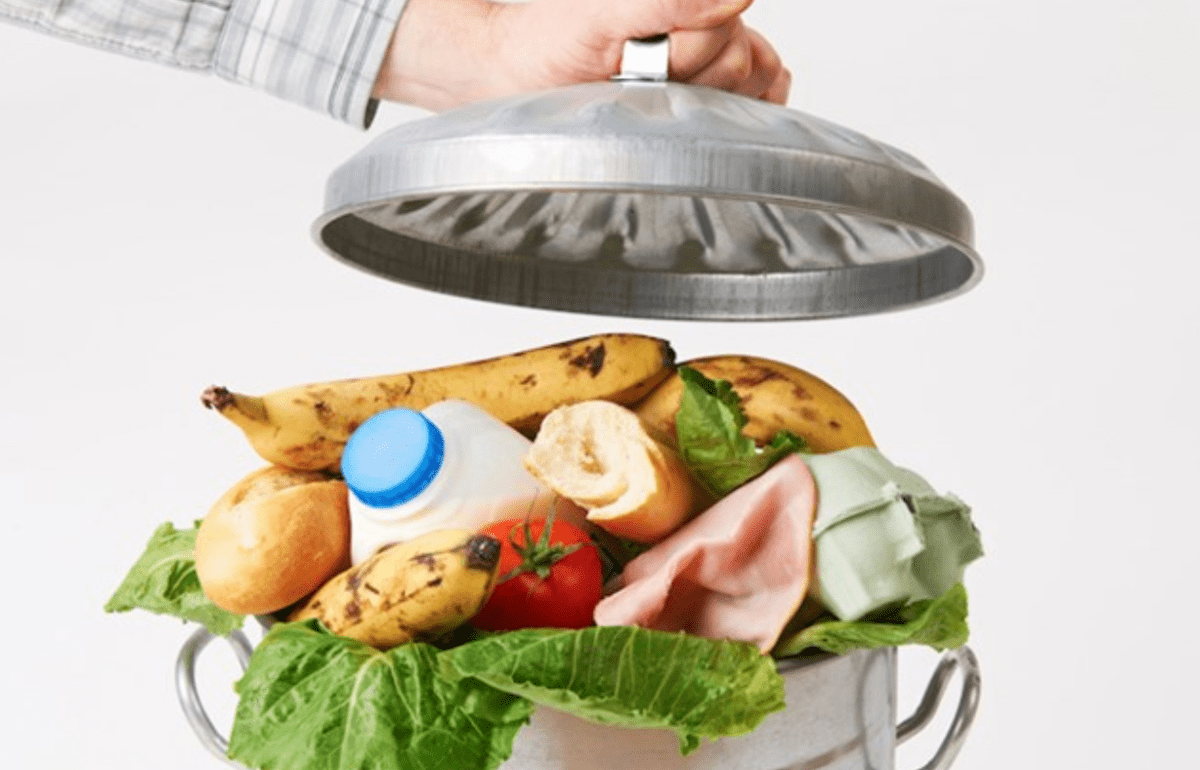
Food waste is a global problem that must be taken seriously and combated. Given the current situation, we want to discourage hoarding, which produces enormous food waste, and encourage sensible food use. But what does "food waste" actually mean?

Although at NIKIN we primarily focus on sustainable materials in the fashion industry and combat global deforestation, it's important to think sustainably in other areas of life as well. We want to motivate people to rethink their lifestyles and, if possible, make them more sustainable. It's well known that food waste is a significant problem worldwide – some have far too much and throw it away, while others have nothing and go hungry. Especially in times of crisis, we see a rapid increase in food waste. Raising awareness about food waste and its consequences is essential. This is the only way to combat it.
What does “food waste” actually mean?
In industrialized Western countries, people have access to an abundance of food—we buy and have more than we need. This almost inevitably leads to discrepancies. The difference between what's available and what we actually consume is all the food we lose or actively throw away.
A distinction is made between food loss—everything lost during production or in the supply chain—and actual waste. The latter is all the food we don't use. And this happens to all of us, every day. Too much is bought and spoiled, too much is put on our plates...
Where are the main culprits?
If we examine the causes, we can determine that one-third of the products produced in Switzerland go unconsumed – approximately 2 million tons (!) of food per year. Half of this is thrown away either in private households or in restaurants and hotels. This amount equates to almost one meal per person per day. Unbelievable, isn't it? But it's true.
Why the waste?
Food waste is partly driven by standards or simply consumer preferences: Vegetables and fruit are "discarded" because they don't meet the standard size and shape. The same applies to production surpluses – the excess is destroyed rather than lowering the price. Unintentional mishaps also occur during processing and transportation.
An important factor is the so-called "best before date" – every package must state the date by which a food product is best consumed. Unfortunately, both stores and consumers interpret this recommendation as "throw it away after that." This means that even supermarkets throw away enormous amounts of perfectly good food every day. However, as already mentioned, the biggest individual wasters are households. In other words, the end consumers – that's all of us.

Elsewhere in the world, the most basic necessities are lacking
While food ends up in the trash every day in rich countries, there is a food shortage in the less fortunate parts of the world. Southeast Asia and South America have been successful in the fight against hunger in recent years, while in Africa, people still go to bed without adequate meals. One in nine people worldwide is hungry or suffering from malnutrition. This is despite the fact that the amount of food produced globally could feed the world's population.
Admittedly, if we stop throwing anything away, that doesn't mean that hungry people elsewhere in the world will immediately have something to eat. On the other hand, declining sales would force producers to produce more sustainably and/or serve other markets.
Stop food waste – but how?
Of course, curbing food loss and waste requires a concerted effort, including at the government level. But that alone isn't enough. Since we, as individuals, are the ones who throw away the most, the ball is in our court. There are various tricks we can use to outsmart ourselves and avoid buying or ordering more than we really need.
For example, you shouldn't go shopping when you're hungry. You almost always buy more than you need. The same applies to food preparation – it's better to peel one less potato than to have to throw something away later. A large glass of water before eating helps fill your stomach – this way you won't overfill your plate with unnecessarily large portions.
If you plan your meals weekly, you can buy the exact quantities in advance and also calculate so that leftovers can be used in the next day's meal. Cooking for two days is also legitimate to avoid waste.
A certain amount of organization also helps with storage: always put perishable foods at the front of the refrigerator so you can see them and reach for them first. Things that can't be eaten immediately can sometimes be frozen. But the same rule applies to the freezer: age before beauty! In other words, put the freshest meals at the back. Even frozen, food doesn't keep indefinitely.
Pre-cooked meals in your freezer are ideal when you don't feel like cooking or want to serve more than one dish for guests. It just takes a little planning.
Are there projects to combat food waste?
Indeed, from practical blogs to "leftovers apps," there are already a whole host of projects helping to curb food waste. These include recipes for "leftover feasts" as well as mobile apps that help you find nearby meals that are "too good to go" – at very reasonable prices.
A rethink is also taking place in retail and among major chains. It's no longer uncommon for bakeries to offer day-old bread and pastries at low prices. The "Äss-Bar" (cheap bar) is very popular in Swiss cities. Supermarkets are also discounting products that are about to expire – or donating them before they expire, for example, to lunch tables or similar social events.

France is making great strides in the fight against food waste: supermarkets there have been banned from throwing away food for several years. Instead, much more is being donated to social institutions. But France is doing even more. Food waste is officially a criminal offense – the French are alone in this regard worldwide. If food waste is discovered, it can be punished with fines of up to €3,750. The results are already impressive.
Alone against food waste
First of all – anyone who is alarmed and wants to do something can start with themselves. If everyone did this, it would be a good thing. Bringing the topic up with friends and colleagues is also not a bad idea. This applies even more to all our readers who work in the catering or food industry! Anyone who wants to do something beyond that can, of course, help shape public opinion. This can be done by passing a law against food waste, but also through volunteer work in all areas that provide food for people who can't afford everything that better-off people throw away. And yes, that also exists in Switzerland!


