


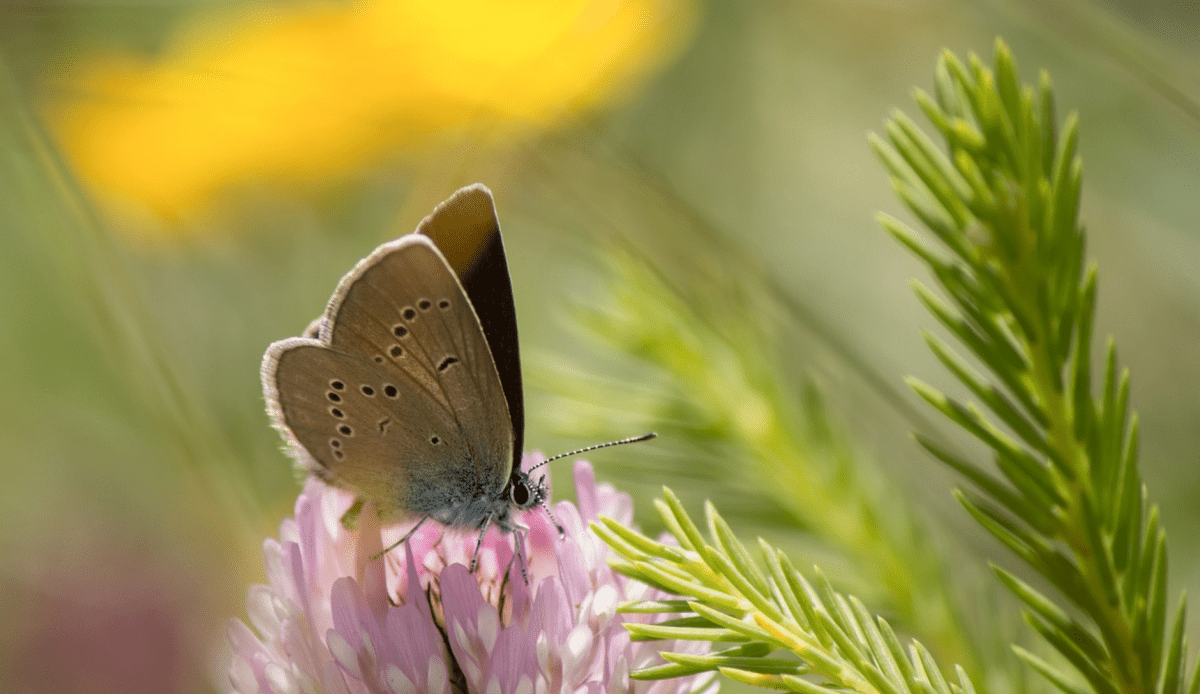
Insects are the most diverse and numerous inhabitants of our planet. Over a million insect species inhabit the Earth alongside us – and they account for around two-thirds of all species! The tiniest of them are barely a millimeter in size, the longest measure a good half a meter. In the insect world, there are inconspicuous specimens as well as enchantingly beautiful ones, such as butterflies, but also less pleasant representatives, such as the brown marmorated stink bug, which is currently spreading in Europe and has no predators here. Insects are herbivores or exceptionally good hunters – whether they spin webs or pounce on their prey with lightning speed, like praying mantises, makes little difference.

In addition to solitary insects, there are many social insects with complex social structures that we still don't fully understand. These include ants, but also wasps and bees. We barely notice most insects unless we "use" them, as in the case of commercially kept bee colonies. Therefore, it has taken far too long for the dramatic decline in the insect world to reach the public's attention. Insect populations are declining. In Germany, for example, three-quarters (!) of the insect biomass has disappeared in the last 25 years. Entire species are critically endangered – including many butterflies and wild bees. The insect extinction is in full swing.
What does insect extinction mean?
Organizations like the WWF and the German Nature Conservation Association have been drawing attention to the decline among our six-legged companions for some time now. The decline in insect populations has consequences for all of us. Insects are pollinators, essential for agriculture, but they are also an important part of the biosphere, removing decaying plants and carrion and loosening soils. At least as important is the fact that some animal species, especially bird species, will also become extinct with the disappearance of insects. It is worrying that the decline in insect populations affects ALL species. The reasons are easy to identify.
What causes insect death?
Long-term studies have proven that there is a direct connection between land and forest use and insect mortality. Heavily cultivated, fertilized, and treated with pesticides or herbicides mean death—especially for insects that cannot travel long distances. These "homebodies" suffer even when they can colonize a relatively untouched area amidst heavily used cultivated land. Insects lack refuge everywhere: fallow land, meadows with wildflowers, or simply the field margins as they were known in the past, hedges, and orchards allow insects to find habitat and food. Industrial mowing, possibly simultaneously across vast areas, contributes to mass mortality. In addition to insects, small mammals and birds also suffer.

Our cities are hostile to life – especially for insects
Even in urban areas, death awaits most insects. Sealed soils, gardens with imported plant species that offer no food for the insects, no unused meadows or open bodies of water—and, above all, constant lighting! These light sources disrupt the insects' life cycle, causing them to fly around until they're exhausted, or are so hot that they burn the tiny creatures.
Why are insects so important?
We literally cannot afford to do without insects. As pollinators in agriculture alone, insects provide a service worth more than 14 billion euros annually for Europe alone! Without insects, or rather, insect diversity, we too would be at a disadvantage. Not only would we have to do without fruit and vegetables, but many flowering plants and trees also depend on the "work" of insects – entire biotopes would become impoverished, and the complex logistics of the food chain would collapse. Numerous bird and fish species feed on insects.
Need for action in insect protection
The extent to which agriculture contributes to insect decline can be seen in Germany. But it is almost impossible to deprive farmers of their livelihood. Therefore, any strategy to save insects must start with the farmers. The German Farmers' Association itself is committed to establishing flowering and fallow strips. But the use of insecticides and herbicides must also be further restricted as quickly as possible. While France has already banned the highly toxic neonicotinoids, the debate in Germany is still raging over glyphosate, a poison that insidiously kills not only animals and plants but also humans. Experts admit, however, that a ban alone is not enough. Because then, it is feared, farmers will once again resort to poison control – and potentially more dangerous substances.

First steps are already being taken
There are already isolated attempts to protect biodiversity, and thus also insects. Swiss farmers have realized that biodiversity also offers protection against diseases and pests. Careful agriculture can promote biodiversity – through the opening of areas and the targeted cultivation of numerous species. This approach runs counter to industrialized agriculture with its exploited soils and streamlined, species-poor livestock populations. However, the proponents of sustainable agriculture are quite successful, and their numbers are growing.
Each of us can make a contribution
Although we at NIKIN primarily focus on sustainable materials in the fashion industry and combat global deforestation, it's important to think sustainably in other areas of life as well. We want to motivate people to rethink their lifestyles and, if possible, make them more sustainable. In our blogs, we not only discuss the topics mentioned above, but also various other interesting aspects of nature – in this blog, we discuss the global decline in insect populations. With minimal adjustments to our lifestyle and consumption habits, and with greater awareness, we can all contribute to protecting the insects that are so important to us, the way they deserve and the way we need!


