


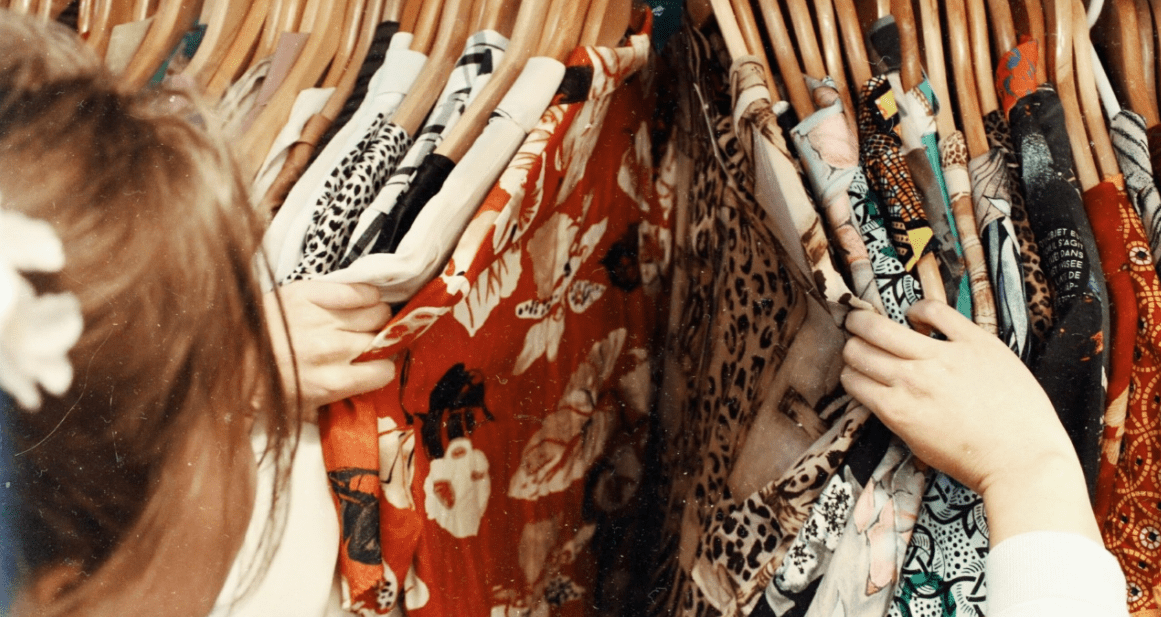
The clothes we wear are responsible for one-tenth of global greenhouse gas emissions. The industry's energy consumption is even higher than that of aviation and shipping combined! Fashion designers' fast-moving offerings fuel this negative impact on the environment. But consumer behavior also contributes to making "disposable fashion" such a major problem.
The enormous range of clothing, some of it very cheap, tempts us to have an overflowing closet – full of items that are rarely or never worn. Even teenagers, encouraged by fashion influencers, are succumbing to the buying frenzy. Reflecting on the effects of "fast fashion" is becoming increasingly difficult in the wake of daily exposure to the latest outfits of idols on social media.
Long supply chains, enormous resource consumption
The clothes we wear reach us via very complex and long supply chains, from the production of the materials to processing and sale. And even when we dispose of them or retailers abandon yesterday's trends, garments still travel long distances.
To illustrate the consequences, consider that one kilogram of cotton is needed to produce a single pair of jeans. This one kilogram requires between 7,500 and 10,000 liters of water. That's equivalent to a person's drinking water needs for about 10 years! Add to that the raw materials for dyeing and bleaching.

Certified articles and BioCouture
But you don't have to completely forgo clothing to avoid contributing to this enormous impact on nature. When buying, you can, for example, rely on certificates such as the Global Organic Textile Standard (GOTS) must be observed. While certified products are still not perfect, they are at least better in terms of ecological and social factors.
Even more problematic than cotton are synthetic garments. Two-thirds of the clothing we wear contains polyester. This consumes approximately 70 million (!) barrels of oil annually. That's equivalent to 70 million times 159 liters.
This popular, easy-care material is also durable. The problem is that small pieces of the material are released into the environment with every wash or wear, where they pollute the environment and suffocate animals for thousands of years.
Innovative companies have now embraced the topic and are offering "BioCouture." Consumers also want fashion made from natural, less environmentally harmful materials. And less harmful processing and dyeing methods are now also available.
Consumers can do a lot themselves!
But we as consumers also have a responsibility. Because we can control the way we shop and consume fashion. The behaviors we can influence as consumers include:
- Buy more consciously online – and return less
- Buy fewer products overall, but of better quality
- Wear the clothes you buy longer and more often
- Incorporate second-hand fashion into your wardrobe
Shopping less and with a greater awareness of quality leads to a change in how we treat our own clothing and to reflection on the mechanisms of consumer society that make "fast fashion" addictive. Freeing ourselves from impulsive purchases, whether as a "reward" or as status symbols, is good for the soul and the wallet – and, last but not least, for the environment.

Wash less, throw away less
Changing your washing machine habits also reduces your clothes' carbon footprint, water consumption, and microplastic emissions. Often, it's enough to air worn clothes thoroughly, for example, on a hanger on the balcony, so they can be worn once or even twice. If you have the option of hanging your laundry up to dry, thus avoiding the tumble dryer, you're already doing something good.
And when it comes to throwing away clothes, you can also give many things a second life - firstly by mending them and wearing them for longer, and secondly by passing them on either for recycling or to institutions that collect second-hand clothing for charitable purposes.
The necessary changes for the benefit of the planet and nature must, of course, be implemented by the big names in the fashion industry. But consumers certainly have the opportunity to initiate these changes – through their own behavior.
From the very beginning, NIKIN has pursued the goal of fair and sustainable fashion as an affordable alternative to fast fashion. Today, (almost) all of our products are guaranteed to be produced in Europe using fair and sustainable methods. We work with more sustainable alternatives wherever possible and never give up on the search for suitable producers, even though this search is always very time-consuming. We have been able to convince many of our producers to adopt more sustainable production methods and materials. Our textile products are largely made from "sustainable organic cotton" and other sustainable materials such as recycled PET material or reused cotton fibers.
Hand on heart, of course we're not perfect yet. But we want to raise awareness and show that things can be done differently. We want to serve as a role model and encourage people to shop more consciously. Quality always comes before quantity.


