


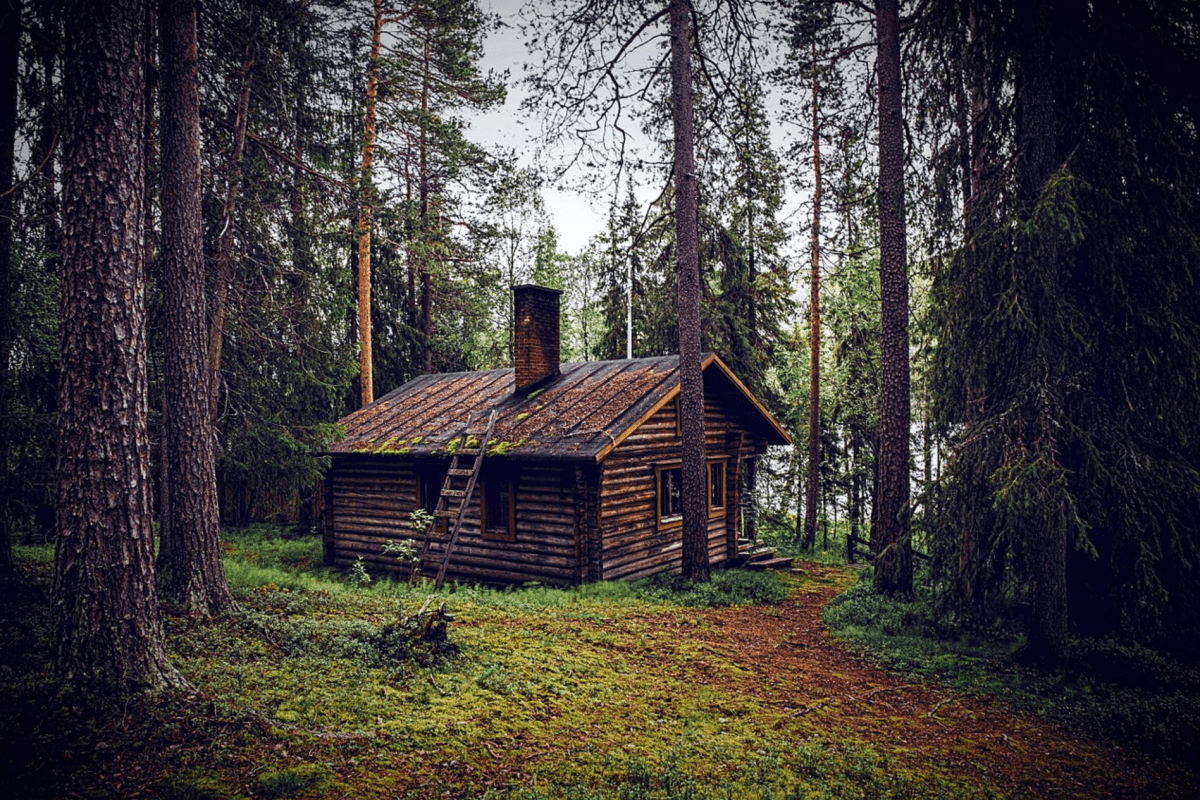
Away from family, away from all luxuries, away from civilization – people who choose a life in the great outdoors and spend their time in the forest – it's possible!
At NIKIN, we know that trees and forests are essential for life on Earth – which is why we are actively committed to reforesting forests worldwide. Since the dawn of humanity, we have become increasingly civilized – societies and systems have emerged that sometimes function better and sometimes worse. Those that function better often have a serious impact on the health of people and nature. Even today, there are indigenous peoples who have not modernized, are happy with it, and live in nature. Therefore, it is not surprising that more and more people are leaving our society and starting a new life far away from civilization. But who are the people who live in the forest?
For what reasons do people retreat into nature?
There are many reasons why people retreat into the forest. First of all, it's technically forbidden. For safety reasons, among other things. Nevertheless, modern "forest people" are often allowed to do as they please. After all, many of them are harmless. They withdraw gradually and voluntarily, perhaps because they initially live in and with the forest for work and gradually reduce their contact with "civilization." Others see themselves as "guardians of the forest," wanting to be useful, clean up trash, and simply be left alone. Quite a few forest dwellers have experienced phases of psychological or social problems in their lives and have chosen the forest as a place of retreat.
Very few can be described as conscious dropouts who suddenly turn their backs on civilization. And they often don't stay long – whereas the more well-known forest dwellers in Switzerland are often able to pursue their way of life undisturbed for decades and are, to a certain extent, tolerated.
It should also be mentioned here that there are, of course, people who live in the forest in order to hide there: this is also where so-called “crime tourists” stay, who are just passing through and want to attract as little attention as possible.
A life in the forest – a romantic ideal?
How healthy or hard life in the forest is depends on the individual case. Frugal hermits sometimes get by without the amenities of civilization altogether. Others are resourceful, cobble together their own wind and solar power systems, and even have a telephone connection. It's all a question of attitude. Those who survive (or survive) in the forest for decades are usually quite healthy. Everyday life involves a lot of often strenuous physical labor, as well as a great deal of abstinence from consumption. This can actually be good for them, especially when it comes to nutrition. And here one can say: only the tough make it into the garden, or rather the forest. Those who don't adapt well to life as their ancestors did and take care of themselves will either quickly give in or even become seriously ill. After all, life outdoors is no picnic, nor is it a romantic commune.
How healthy is the distance from civilization?
The lifestyles and daily routines of modern forest dwellers vary greatly. Some of them have or have had regular jobs. Growing fruits and vegetables for daily needs alone takes up a lot of time, as does, in many cases, gathering wood for their own use.
Life in the forest does not exclude contact with civilization
Many "forest people" are far from hermits – like the Swiss "Diesel-Sepp," who enjoyed drinking his beer in a nearby village. And many forest dwellers have access to telephones and internet, but all in the solitude of the forest. Others, however, want to turn their backs on civilization and not even claim social benefits, like the group of forest dwellers who made their exit just a few minutes' drive from Bern, Switzerland.
The lifestyles are as diverse as the "forest people" themselves – although it's safe to assume that not all of those who retreat temporarily or permanently among the trees are known. Who knows how many people live in the forest today and consistently avoid contact with civilization?


