


Linear economy, recycling and circular economy – what are the differences?
- The fashion industry has traditionally operated a linear economic system . This system operates according to the "take, make, waste" principle: raw materials are extracted, processed into products, and disposed of after their short useful life. This results in enormous mountains of waste that pollute the environment. This cycle is increasingly accelerated in the fast fashion industry, where clothing is produced cheaply, consumed quickly, and quickly replaced with new pieces.
- The recycling economy is a step in the right direction, as it attempts to reuse materials and thus reduce waste. However, in the fashion industry, recycling is often difficult due to the complex composition of the materials, such as blended polyester and cotton fabrics. Separating and recycling these materials requires complex processes that currently only cover a small portion of textile production.
- The circular economy, on the other hand, goes a step further and offers a holistic solution for the fashion industry. It focuses on closing material loops by designing products so that they can be either fully recycled or reused at the end of their life cycle. The focus is on reusing, repairing, upcycling , and minimizing waste. The goal is to keep resources in a continuous cycle rather than discarding them after a single use. In a true circular economy, every garment becomes a resource for new products.
 Difference between linear, recycling and circular economy.
Why the circular economy is the future of fashion
The transition to a circular economy is not only an environmental approach, but also an economic necessity. The fashion industry is known for producing millions of tons of clothing annually, a significant portion of which is either incinerated or disposed of in landfills. This leads to massive waste of valuable raw materials such as cotton, water, and energy. A circular system could radically solve this problem.
In contrast to the linear economy, which relies on finite resources, the circular economy promotes sustainable material flows. And through circular initiatives such as take-back programs , where old clothing is returned and transformed into new products, or the use of biodegradable fibers , the fashion industry can make a sustainable contribution to the environment.
The challenges of the circular economy in fashion
Although the circular economy represents the solution to many environmental problems in the fashion industry, challenges remain. Implementing a functioning circular system requires innovations in materials research and a transformation of entire production chains. Manufacturers must learn to design durable and recyclable products, and consumers must be made aware of the importance of returning clothing to the cycle. Another obstacle is the current infrastructure of recycling and take-back systems, which is often not yet mature enough to meet the requirements of the circular economy.
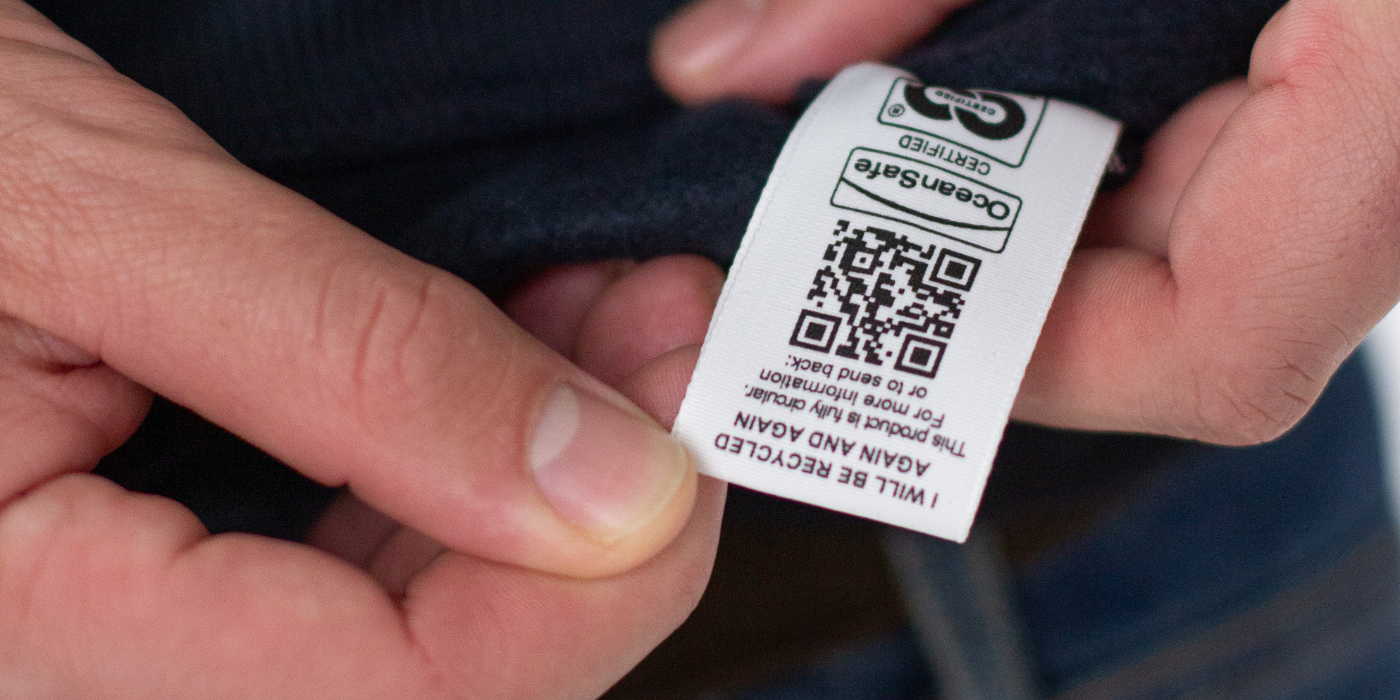
 Circularity begins with the production of new clothes.
NIKIN and the circular economy
The future of fashion undoubtedly lies in the circular economy. While recycling is an important step, only a comprehensive circular approach offers a long-term solution to the fashion industry's environmental problems. The transition from a linear economy to a closed material cycle will not only help reduce waste but also enable sustainable and resource-efficient fashion production.
At NIKIN, we're setting a good example by focusing on circular production processes and designing our products to close the loop. By producing more circular products, we're taking another step toward our goal of offering 100% circular products by 2030 .


