


Although at NIKIN we focus primarily on sustainable materials in the fashion industry and combat global deforestation, it's important to think sustainably in other areas of life as well. We want to reach not only our customers, but also motivate people beyond our own to rethink their lifestyles and, if possible, make them more sustainable. This inevitably involves considering alternative energy sources and thus reducing the burden on the planet.
What exactly are “renewable energies”?
Sustainable energy sources are those that are renewable by definition, meaning they don't come from finite sources. There are, of course, quite a few in this area. Hydropower has been around for a long time. Dams, in particular, convert the natural power of water into electricity.
Other renewable energies from nature are:
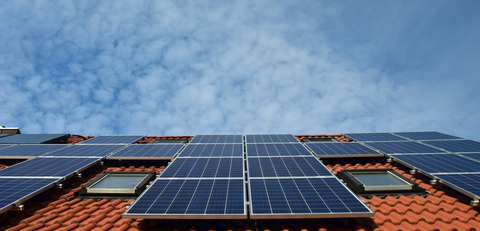
- Solar energy : Harnessed with appropriate solar cells and connected batteries, solar energy can be used directly (for example, for heating water in your home) or stored or fed into the grid. There are a variety of models available!
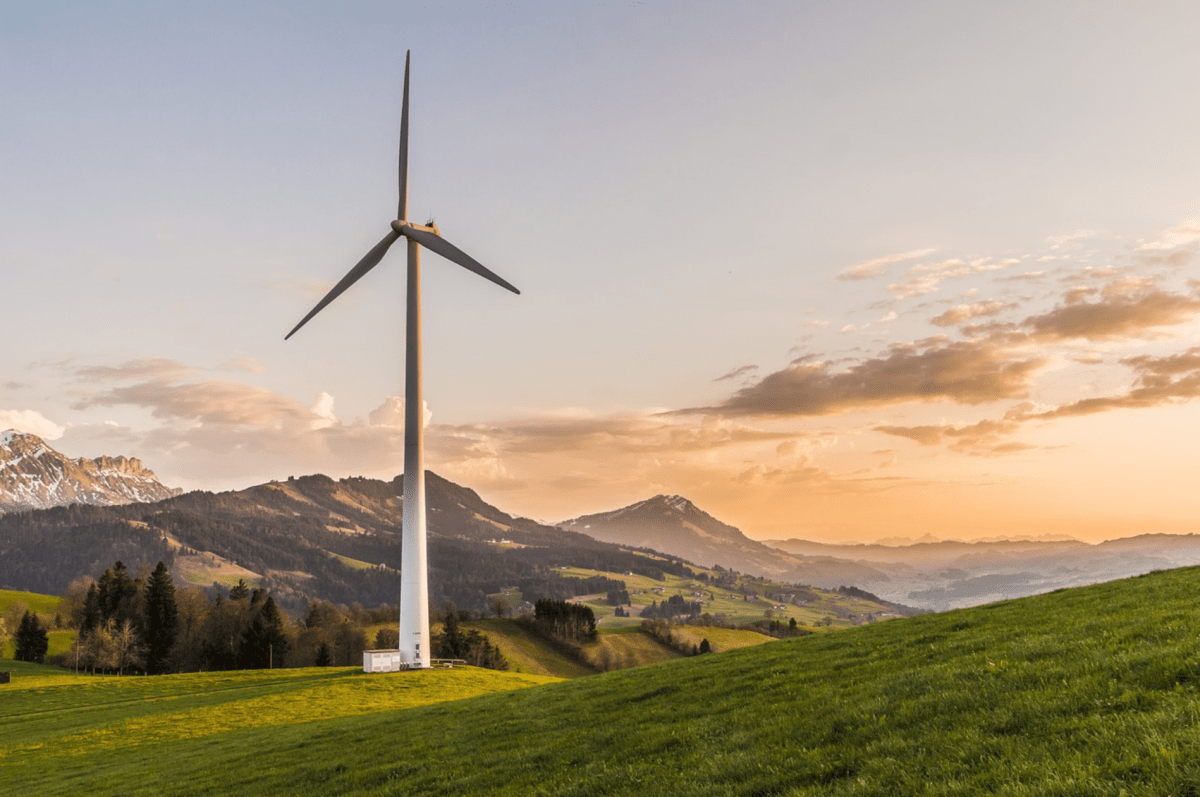
- Wind energy : energy is generated using wind turbines and wind turbines, similar to the use of hydropower.
- Geothermal energy : this process makes use of the natural heat in deeper layers of the Earth’s mantle.
- Biogas : The "exhaust air" from livestock produces methane gas, which, as biogas, is a renewable energy source. Anyone who spends any time in a cowshed understands why...
Conventional energy sources and why they are so harmful
Our planet offers an abundance of renewable energy sources. Unfortunately, they are still relatively underutilized. The majority of demand is met by so-called fossil fuels, including coal, oil, and natural gas. At least some countries meet another portion with nuclear power.
Fossil fuels all originated in the ancient Earth through the decomposition of organic materials and acquired their characteristic properties over millions of years of compression in deeper soil layers. They were gradually discovered as fuels during the Industrial Revolution and the emerging use of the steam engine.
This heavy consumption comes at a price – because fossil fuels are finite. Even the most extensive oil fields will be "empty" – and very soon. For a global economy that is currently unthinkable without fossil fuels, this is a bleak prospect. In addition, fossil fuels are burned. This releases pollutants that significantly impact the global climate. This is almost irreversible. The constant "ignition" of gas, oil, and coal doesn't contribute to the quality of life either. Anyone who has experienced prolonged traffic jams in a busy city center has experienced that the prolonged inhalation of exhaust fumes often leaves them feeling "off track" for days. Fossil fuels are therefore all harmful. Nevertheless, industry, business, and politics still largely cling to these energy sources.

What are the benefits of renewable energy?
Renewable energies are the future – not only are they not finite, but they are also much cleaner. While sustainable energies also have their drawbacks, these are significantly fewer than those of conventional fossil fuels.
A shift in thinking is slowly taking place – far too slowly, according to its proponents. Nevertheless, the use of renewable energies is supported and subsidized. Cities and municipalities are going "green" either partially or entirely – for example, through the widespread use of solar energy or geothermal energy. But end consumers can also use renewable energies. The simplest way to harness the sun's power is with small, even portable, solar cells. Outdoor lighting, water heaters, and even small batteries can be powered by solar energy. This works in private homes, but also in apartments. The use of such "island solutions" is ideal for more remote, possibly isolated buildings and facilities. This avoids the laborious and costly connection to the power grid.
In fact, most consumers primarily use solar energy in one form or another, whether for hot water in the shower or with a handy little "solar pad" for camping and leisure activities to charge their cell phones. Renewable energies are no longer the exclusive domain of do-gooders; they have been part of everyday life for years. And they will play a much larger role in the future!

Participating is not that difficult
Anyone interested in the possibility of increasing or completely utilizing renewable energy, whether in their business or at home, will find a corresponding advisory center in most communities, not only in Switzerland but throughout most of Europe. Here, they can obtain information about technically feasible solutions, as well as about competent specialist companies in their area and available government funding.


