


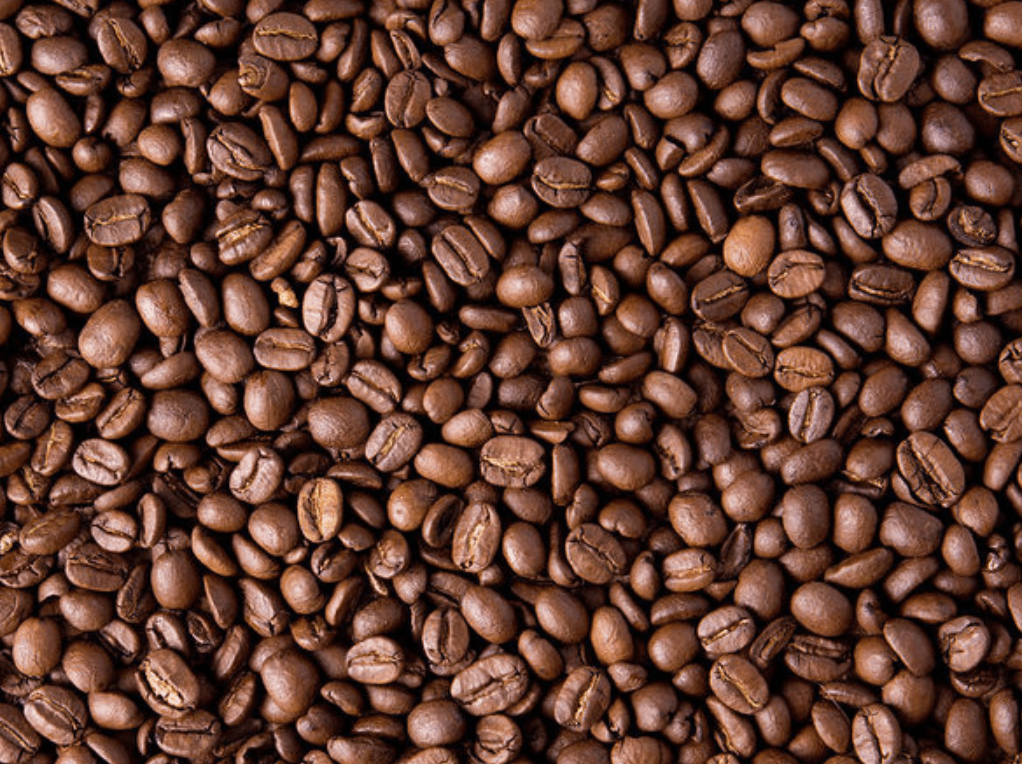

Coffee in all its forms has become an integral part of our everyday lives – how would we get going in the morning without that invigorating sip? What seems so commonplace today actually came to us from the Orient. Its origins, however, lie in Ethiopia.
The coffee plant
There grew—and still grows—the coffee bush, an evergreen from the Rubiaceae family. The bush, which is about as tall as a man, bears white flowers that open during the rainy season. Because flowering is always triggered by rainfall, the coffee bush can bear flowers, ripe, and unripe fruit simultaneously. This makes harvesting the cherry-red coffee berries a task that cannot be done mechanically. Instead, pickers harvest the fruit, which contains a kernel consisting of two "beans."

From Ethiopia to the coffee houses of Europe
At some point, Ethiopian shepherds are said to have observed the stimulating effect of the fruit on their goats and dared to try it themselves. It can be assumed that it took several generations to refine the roasting and processing of the beans. From Ethiopia, coffee began its triumphant march around the world – first, the Arabs discovered the invigorating beverage. Coffee suited them just in time, since Islam prohibits intoxicating beverages like wine. Our word "coffee" is consequently one of the numerous Arabic words adopted into other languages and is derived from "qahwa."
And from the Orient, coffee consumption spread to the West – where it quickly became a cult. In 1669, the Turkish ambassador is said to have first served coffee to the court at Versailles. Today, for example, Germans drink around 164 liters of coffee per capita per year, and even in the home of tea drinkers, Great Britain, coffee is gaining popularity. Even more coffee drinkers are the Italians (no wonder, they invented espresso), the Austrians (where you can find a coffee house on every corner), and – the Scandinavians! Above all, the Finns are particularly in need of a wake-up call, consuming almost twice as much coffee as the Germans.
Coffee cultivation: a global big business
This makes cultivation and processing an important sector. Ethiopia itself only contributes around 5% to the global coffee business, but this is because Ethiopians drink most of their coffee themselves. Coffee is grown around the world in Brazil, Vietnam, Indonesia, and Kenya—in fact, anywhere in the tropics where the plant finds warmth and rain. In addition to the well-known Arabica variety, the Robusta species is also cultivated. At least 20-25 million families worldwide make their living from coffee cultivation, an estimated 100 million people. But do they make a good living from it? That is the question.
What are the working and living conditions like in coffee farming?
In most cases, coffee is cultivated under subhuman conditions. The growing countries are all emerging or developing economies, where labor is cheap and even children are required to help out. Families working on the plantations of large producers have to accept the conditions offered to them – which include not only low wages but also high levels of pesticide exposure. Self-employed smallholder farmers who want to remain independent may be their own bosses, but they also have to bear the consequences of poor harvests and the effects of climate change.
Fairtrade and eco-labels and what lies behind them
Consumers have a significant influence on the living and working conditions of these people, as there are now several approaches to producing coffee fairly and growing it in sustainable quality.
Anyone who buys coffee with a Fairtrade label knows that their morning coffee was purchased from the producer at a fair and guaranteed price. This makes farmers less dependent on market fluctuations and uncertainties, promotes long-term business relationships, and allows farmers to secure upfront financing through a futures contract.
Organic labels and quality seals for decent working conditions provide information about whether coffee plants have been sprayed with pesticides or not, and whether workers on coffee plantations are treated well and receive a fair wage.

Our coffee is definitely worth a little more!
All of this, of course, makes coffee more expensive. A little. But let's be honest, isn't this brown delicacy worth the extra expense? We can contribute by using our shopping carts – and if we choose a product with minimal packaging and skip the coffee capsules, we're also doing something good for the environment.
Although we at NIKIN primarily focus on sustainable materials in the fashion industry and fight against global deforestation, it's important to think sustainably in other areas of life as well. We want to motivate people to rethink their lifestyles and, if possible, make them more sustainable. Coffee is simply a part of everyday life. This invigorating beverage is particularly popular in offices – so we also drink coffee from sustainable organic production that is Fairtrade or Rainforest Alliance certified. We don't want to advertise specific brands here, but simply point our readers to sustainable, fairly grown coffee and its benefits. Just join us and have a coffee to celebrate!


