


Fresh tomatoes, zucchini, and radishes from your own garden: The number of new hobby gardeners has probably rarely increased as rapidly as in recent weeks. But you can also find delicious food in the wild – and completely free of charge.

Collecting edible plants, leaves, berries, and fruits in nature – foraging in the forest and natural landscapes is becoming increasingly popular. People from big cities, in particular, are drawn back to the great outdoors. And of course, there are foods to be discovered that aren't fertilized or loaded with pesticides. Many wild plants also have beneficial or even healing properties.
What we find on our doorstep
Leaving the concrete surroundings of cities, you'll often find areas nearby where humans have little or no impact on nature. But even along well-trodden paths, you can discover wild plants. From March to October, nature brings a wealth of produce to the table—you just have to look closely.
Fruits and berries
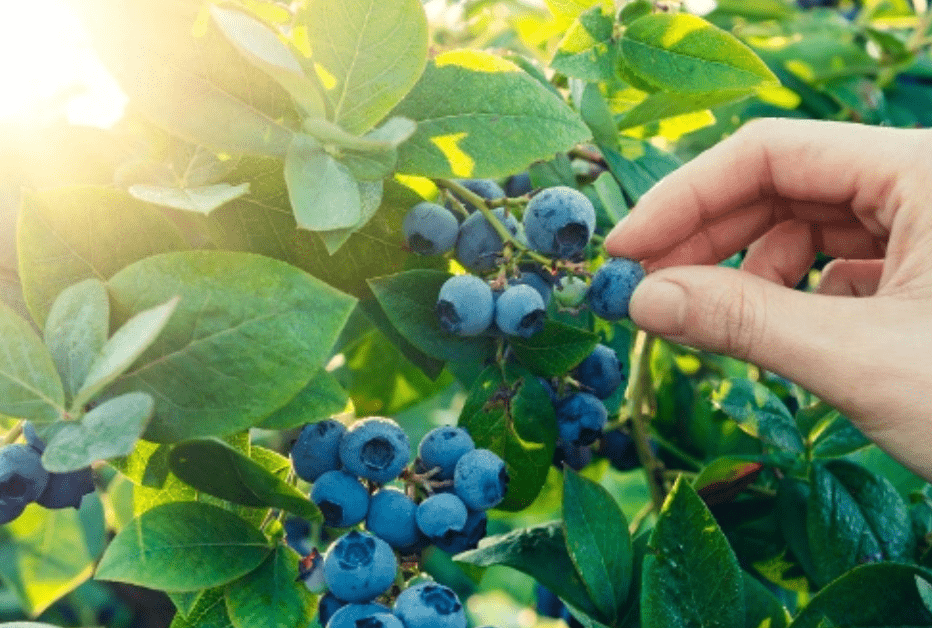
Blackberries and raspberries are well known and require only loose soil and a sunny spot. Elderberries grow along streams – gourmets dip the white flower clusters in batter and bake them, while others wait for the berries, which are very tasty and also suitable for fruit schnapps. Elderflowers can also be used to make excellent syrup. Wild strawberries and blueberries are also a natural source. Wild cherry trees are not uncommon; their fruits are significantly smaller and slightly more sour than "domesticated" sour cherries. Feral fruit trees can also be found near farms. If left unattended for many years, they can still bear fruit, albeit smaller and slightly woody. These can always be preserved, however.
Nuts and chestnuts
Nut trees, especially walnuts, are found in mixed forests, as are sweet chestnuts (Maroni), whose fuzzy seed capsules bear no resemblance to horse chestnuts. Hazelnuts are also common plants, although they rarely grow larger than shrubs.
Collect mushrooms yourself
Mushroom picking is a science in itself. Don't worry, it's not that difficult. Anyone who has ever held a death cap mushroom next to a button mushroom will notice the differences at first glance. Many communities also have mushroom testing centers where you can present your harvest to an expert. This is highly recommended to eliminate the health risks associated with consuming highly poisonous mushrooms due to confusion.
Flowers, leaves, herbs
What our grandparents added to soup in hard times still tastes good today. Edible plants that can be found right on our doorstep include arugula, purslane, and dandelion, as well as watercress and nettles. Wild garlic, the wild relative of garlic, is a delicacy. Here, it's not the bulbs that are harvested, but rather the leaves, which sprout in March and April. Wild garlic looks similar to wild lily of the valley and prefers the same habitats, but the leaves have a distinct garlicky scent when rubbed. Wild asparagus is also delicious and can also be gathered from the forest in spring.

A lavish pantry
Indeed, nature has a lot to offer. Even vegetables like carrots and parsnips can be found in the wild, albeit not very tasty. Much of what you gather in spring, summer, or fall can also be canned or frozen, thus refreshing your winter menu.
Presumably, even nature-loving culinary enthusiasts will not want to live exclusively on dandelions and wild chestnuts – but these natural treasures are gradually finding their way into the menus of even well-known chefs.
In our consumer society, we're used to having all our groceries readily available in the supermarket. But the natural world around us offers so much—including food that can be collected for free with a little know-how.


