


194! That's how many kilograms of paper each Swiss person consumes annually. Over 40 percent of the wood used worldwide is processed into paper products such as newspapers, toilet paper, and copier paper. A single paper fiber can be recycled up to seven times (!), yet according to the WWF, wood and pulp plantations still cannot keep up with the consumption of industrialized countries.

Many other options
If you want to reduce your paper consumption, we recommend switching to alternatives and familiarizing yourself with tree-free options. Take a quick look at the following options—you'll be amazed!
-
Bamboo . The "raw material of the 21st century" is particularly suitable because this plant grows very quickly and has a high CO2 absorption capacity. You can buy bamboo paper on Amazon or in stores, for example.
-
Milk . Yes, you read that right. Milk isn't just a great ingredient in your muesli, it's also great for making paper. Crazy, right?! Admittedly, "Papermilk" isn't entirely wood-free. But it's still a suitable alternative, as it's made from 10% milk fiber, 45% cotton, and 45% wood-free ECF pulp. You can buy it at RÖMERTUM.
-
Grass . The paper made from "Graspap" consists of grass fibers pressed into pellets. Up to 60% of grass can be used as the basic production material, wood pulp and recycled paper. However, it should be noted that the paper is not entirely wood-free, but does contain a significantly lower proportion of wood. If you're interested, you can check out "Creapaper Grasfibre."
-
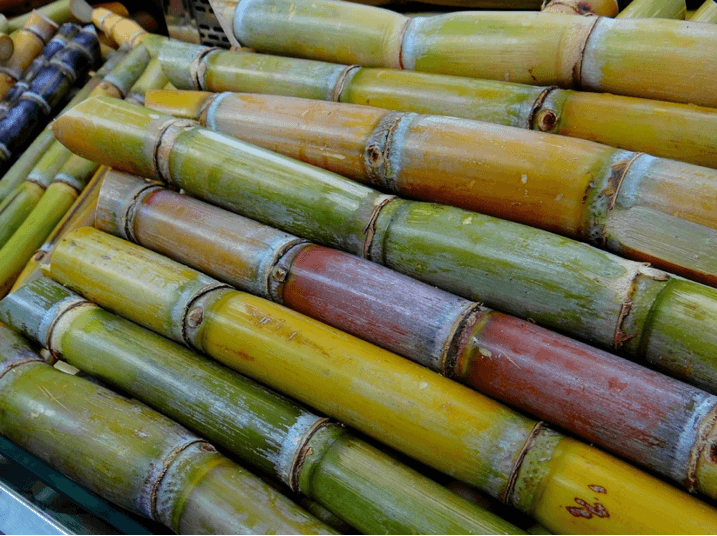
Sugarcane . "Bagasse" refers to the plant residue left over from sugar production after the sugarcane is pressed. Since your tree certificate is made from this bagasse, the sugarcane will be given its own profile.
NIKIN uses bagasse
- Even if there's a risk of repetition, bagasse is the plant residue from sugar production. It consists of cellulose, hemicellulose, and lignin and was long considered a waste product.
- From waste to trendy product! Bagasse is widely used in the production of construction and packaging materials, as well as disposable tableware. It's also a welcome replacement for paper products.
- Bagasse is found in countries where a lot of sugar is produced, such as Brazil, China or Thailand.
- Sugarcane belongs to the grass family and grows in tropical and subtropical climates. It grows to a height of 3-6 meters! Hidden inside the stalks lies the "treasure": sugar! From 100 tons of sugarcane, 10 tons of sugar and 34 tons of bagasse are extracted.
- Sugarcane is a very fast-growing plant. Like bamboo, no forests need to be cleared to produce it. Bagasse also requires no additional land for cultivation, and the production of bagasse paper—your certificate—requires far less energy than conventional paper.
- In addition to its sustainable extraction and processing, bagasse offers other excellent properties. Firstly, it's very robust, and secondly, it's water-resistant and grease-proof! Best of all, it's completely biodegradable and compostable.
[ product-handles list="treenote-a6-bark-raw, treenote-a6-bark, treewrap-allover, treerepair-kit"]
Although most alternatives to conventional paper are not 100% wood-free, they contain a much lower amount of wood. Bagasse, once used as fuel for manufacturing plants, is now becoming increasingly valuable.
So if you buy a NIKIN product, you are not only doing something to combat deforestation, but you are also helping to support the production of wood-free paper.


