


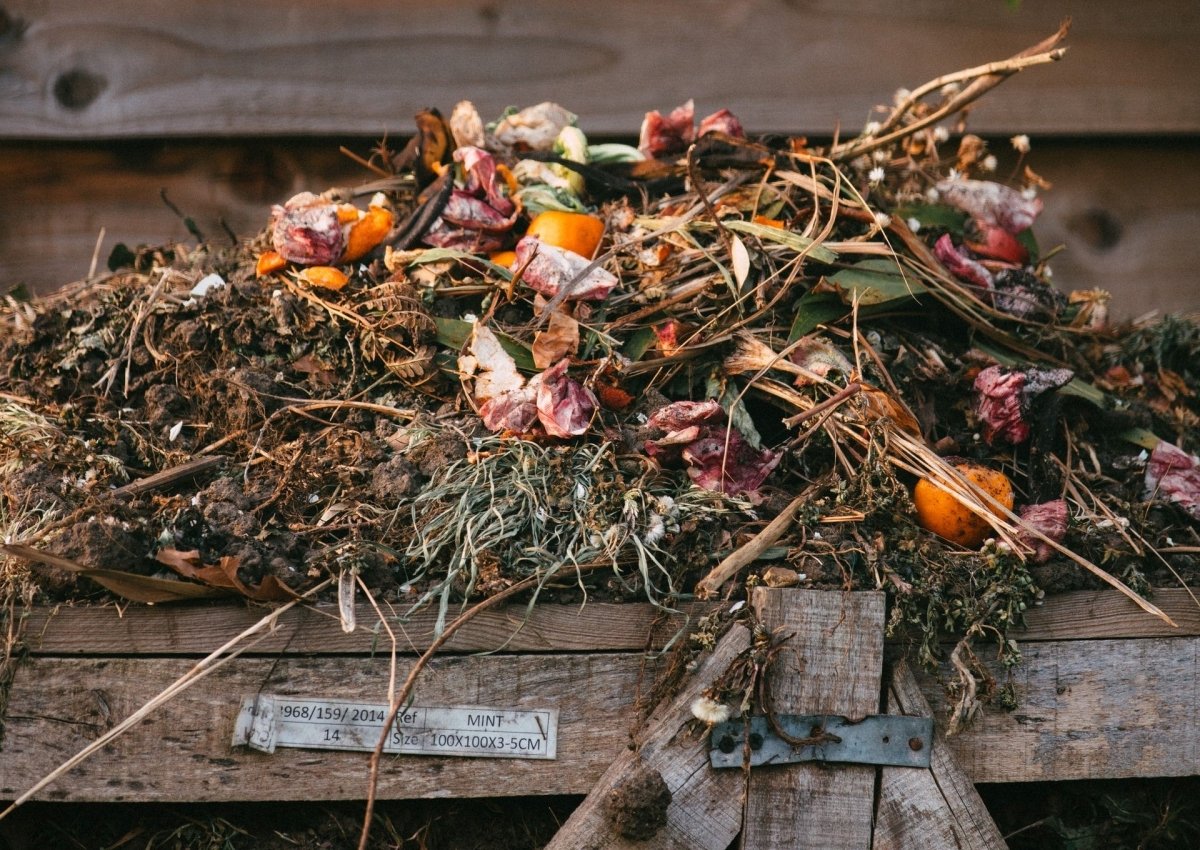
One of the great advantages of this approach is that the vegetables you grow are not only free, but also free of harmful substances. It can also be fun for children to see how leftovers turn into new food. We'll introduce you to some of the easiest ways here – including onions, tubers, and even exotic vegetables!
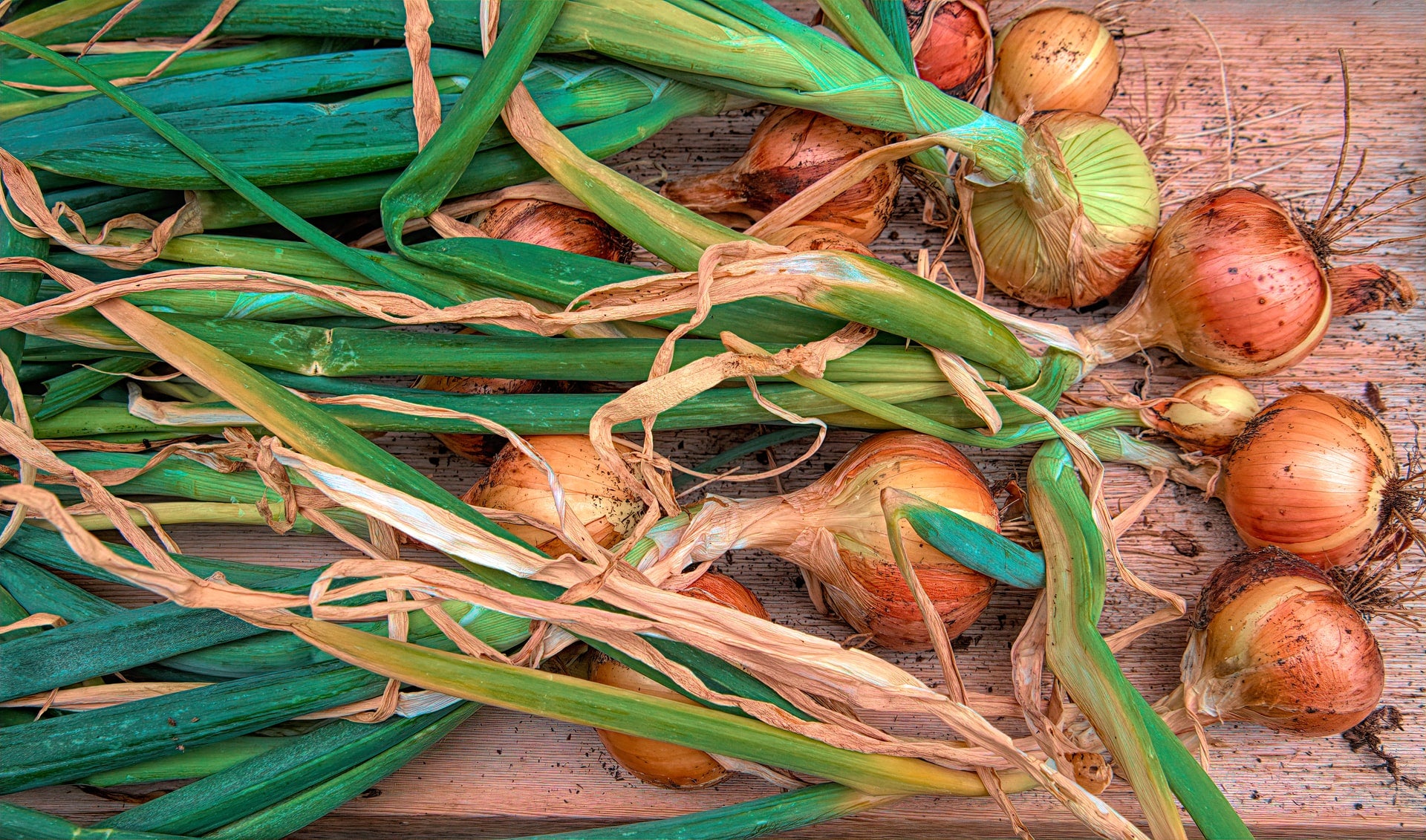
Bulb plants: The uncomplicated ones
The onion group includes onions, spring onions, and even spicy garlic. All of these plants can be given a new lease of life if the root ends are preserved.
- Spring onions: These are the easiest to propagate. Simply place the approximately two-centimeter-long stem with the roots in a glass with a little water. The roots and a few millimeters of the stem should be covered. The water should be changed occasionally to prevent the plant from rotting. It only takes a few days for the green shoots to grow back. Rooted spring onions can also be planted. The root section of vegetable onions can be revived in a similar way; it should be cut off to a thickness of about 1.5 centimeters.
- Garlic cloves: These also sprout after a while. These green sprouts have a slightly more subtle flavor and can be used similarly to chives. It's usually enough to soak the garlic clove in a little water to stimulate growth. The whole bulb can also be planted, provided most of the cloves have already sprouted.

Other easy-to-grow perennials and tubers
Bulb plants aren't the only low-maintenance and inexhaustible plants on the vegetable shelf. Their close relatives, perennials, and many bulbs like fennel or ginger can be easily regrown.
- Leeks, celery, and lemongrass: These perennials are also propagated like spring onions. To do this, place the celery stalk, which should be about five centimeters tall, in a shallow bowl of water. In a sunny location, new celery leaves will appear after just a week. Celery can also be planted in the garden or in a flowerpot, ensuring a never-ending supply.
- Fennel: Anyone who loves fennel leaves in salads or as a garnish for soup will be pleased to know that fennel bulbs also sprout quickly. As with most perennials and bulbs, all you need is a container with a little water covering the root area and changing it regularly. Within a week, new fennel greens will begin to sprout – delicious!
- Ginger: A decorative plant and new tubers can be grown from the shoots of the ginger root. The small shoots and short roots make planting ginger easier. The plant grows well but requires high levels of warmth and humidity. With a little luck, you can get the ginger to bloom – a true splendor – and harvest new ginger roots. This works particularly well in a mini greenhouse on the balcony.

The root of all things
What works with perennials and bulbs can also be replicated with roots and tubers. Resourceful windowsill gardeners can grow carrots, potatoes, and sweet potatoes in the kitchen or on the balcony. For larger tubers, a raised bed is helpful.
- Carrots: Carrots get a second chance if the top end, with the beginnings of the greens, takes root again in a glass of water. Using a few toothpicks, the carrot top can be positioned with the bottom just in the water until roots form. After planting, you can quickly harvest new carrot tops, and if you're patient, you can also look forward to new carrots.
- Potatoes and sweet potatoes: All types of potatoes sprout from the "eyes" that form on leftover tubers. To ensure the most bountiful harvest, the tubers are cut into pieces, one for each group of eyes. The pieces should not be too small, but several centimeters thick, and should be left to dry for a few days, otherwise they will rot. The potato pieces are planted with the eyes facing up at a depth of about 10 centimeters. To ensure the process is worthwhile, it's best to add some compost.
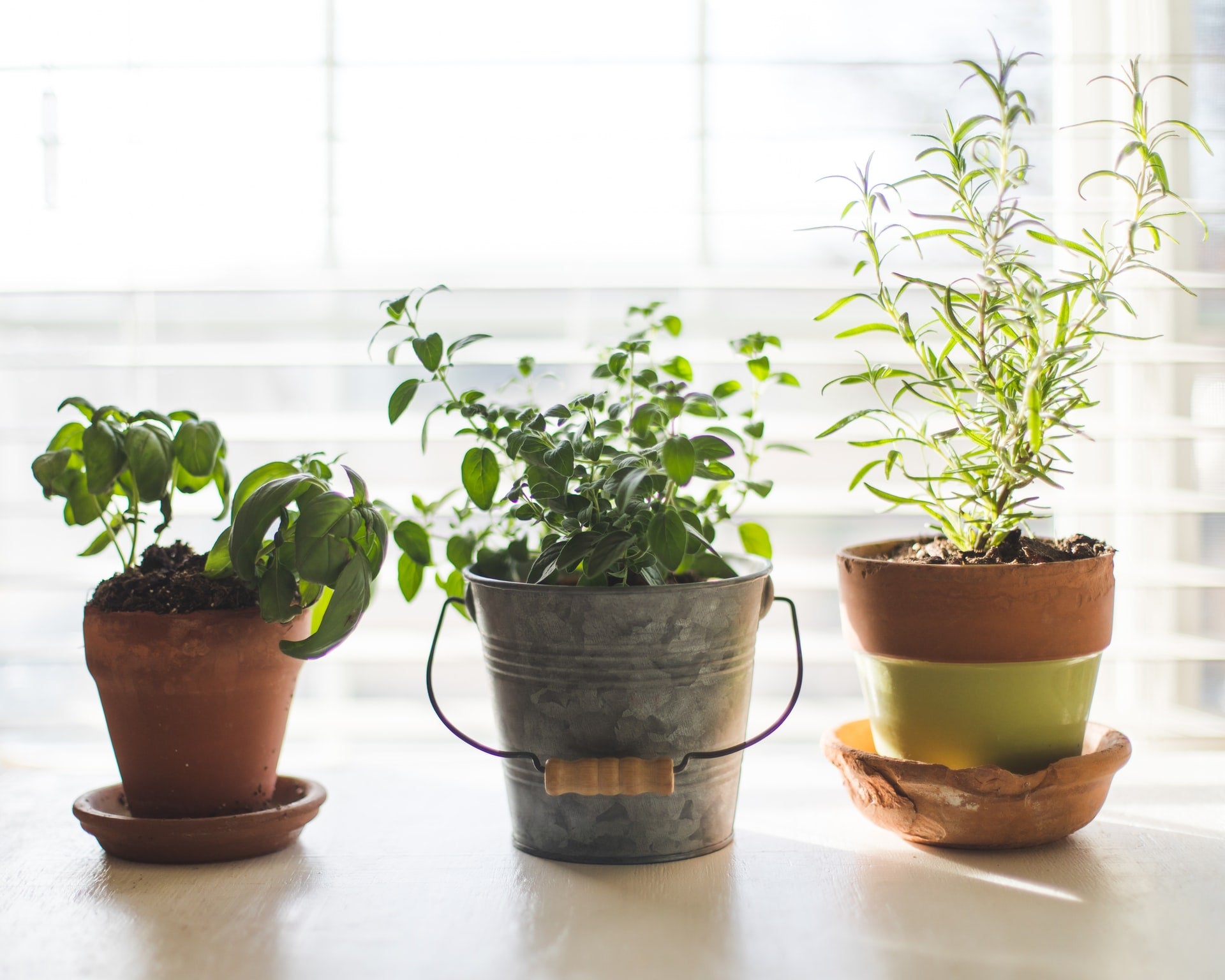
Propagating and cultivating herbs
Aromatic herbs can be easily grown from a single branch. This works well with basil, rosemary, or mint. The stems should be a bit robust, not too tender. A length of 10–15 centimeters is optimal; the leaves at the bottom are removed. In a container filled with clean water that is changed regularly, most culinary herbs will sprout quickly and can then be planted. Herbs usually prefer a sunny or at least bright location and thrive there. Cutting back the shoots is beneficial and even stimulates growth.

“Second Life” for vegetable leftovers
A change in attitude toward nutrition is emerging that isn't found in many areas of consumption. Less waste, more fresh produce with zero kilometers, and even the reuse of leftovers are part of this. Since good-quality fresh vegetables aren't among the cheap foods, growing them from vegetable scraps opens up great opportunities for a sustainable, healthy, and frugal lifestyle. A sunny windowsill is usually all you need!


