


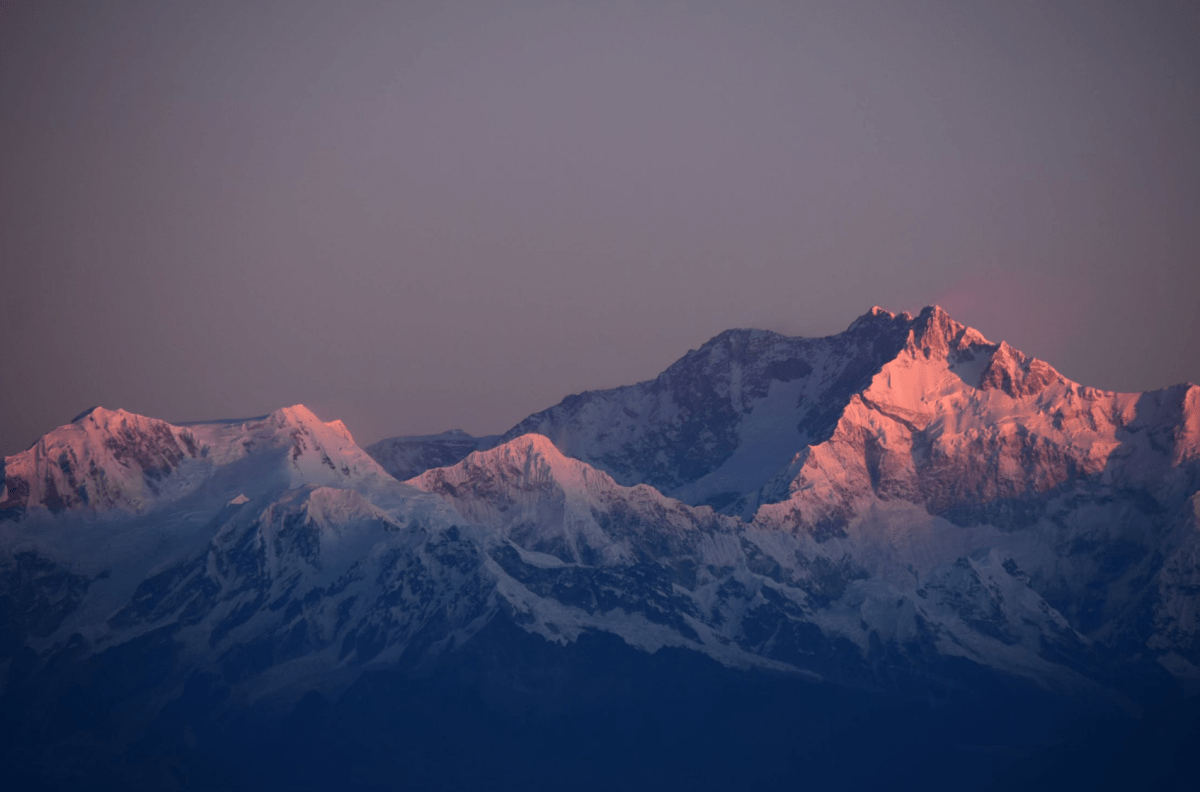
Mountains – it's not just Swiss people who make their hearts beat faster. People from all over the world are drawn to the mountains, whether for local recreation, sport, or even extreme achievements, such as climbing the eight-thousanders in the Himalayas. Since mountains are conveniently located all over the world and reach various heights, the mountains offer a place where all mountain lovers feel at home.
But how did the mountains we love so much come into being? And how long have they existed?
Mountains defined: not so easy
Anyone looking for a definition of the term "mountain" won't find much of one. While we can all immediately distinguish between mountains and hills, can we then put that into words? Well, a mountain can be a bit more substantial than a hill. High, steep, and clearly visible, it stands out from the landscape. Several geologically related mountains then form a mountain range. To put it bluntly: Tuscany has hills. Switzerland has mountains and even mountain ranges – and the Netherlands has neither.
Since when have there been mountains on our earth?
Our Alps were formed 130 million years ago. The Earth's surface is in constant motion, and the plates that support the continents float on the hot lava of the Earth's core. The African continental plate is constantly drifting northward. Due to its pressure as it collided with the European plate, it has literally folded the Earth's surface. It's hard granite, but with enough pressure, it's possible. The forces at work are unimaginable.
This is how mountains are formed
Mountains are formed by what is known as continental drift – but also by volcanic activity. A volcano is, in a sense, a pliable point where the pressure in the Earth's interior seeks an outlet, forcing hot lava and pumice to the surface. This also often happens where continental plates meet. The Pacific "Ring of Fire" of volcanic uplifts is well known. However, volcanoes can also erupt in places where the Earth's crust moves only slightly.

In summary, mountains exist wherever the Earth's crust has been or still is in motion. This applies to South America as well as the Himalayas – for India is essentially rammed into the Asian continent. Large, unbroken continental expanses, on the other hand, favor flatlands, such as the Siberian steppe or the Gobi Desert, as well as extensive plains in North America.
Flora and fauna in the mountains
Now they're here, the mountains, and they have a significant influence on us humans, wildlife, and the climate. Mountains are so-called weather divides. Due to their height alone, they influence the air currents in their surroundings and cause clouds to settle over them. The resulting moisture precipitates as rain or snow, depending on the latitude. Mountains promote glacier formation, rainforests, and cloud forests. Specialized fauna and flora settle on their slopes.
This is what makes them so attractive to people – many climb the mountain peaks and enjoy the unique views. Others use the mountains for winter or summer sports or to observe the diverse flora and fauna. Thus, the mountains offer a purifying oasis for everyone.
The mountain ecosystem needs protection
This, of course, also means that the mountain ecosystem suffers under the onslaught of the ever-increasing number of visitors. One example is the Himalayas, where locals annually transport incredible amounts of garbage left behind by visitors down into the valley. The clearing of forests to create ever-new ski slopes in the Alps is also not good for the mountains. In this case, less is certainly more. If we want to continue to enjoy and preserve the diversity of our mountains, we should do so carefully and with the necessary care in our interactions with nature.


