


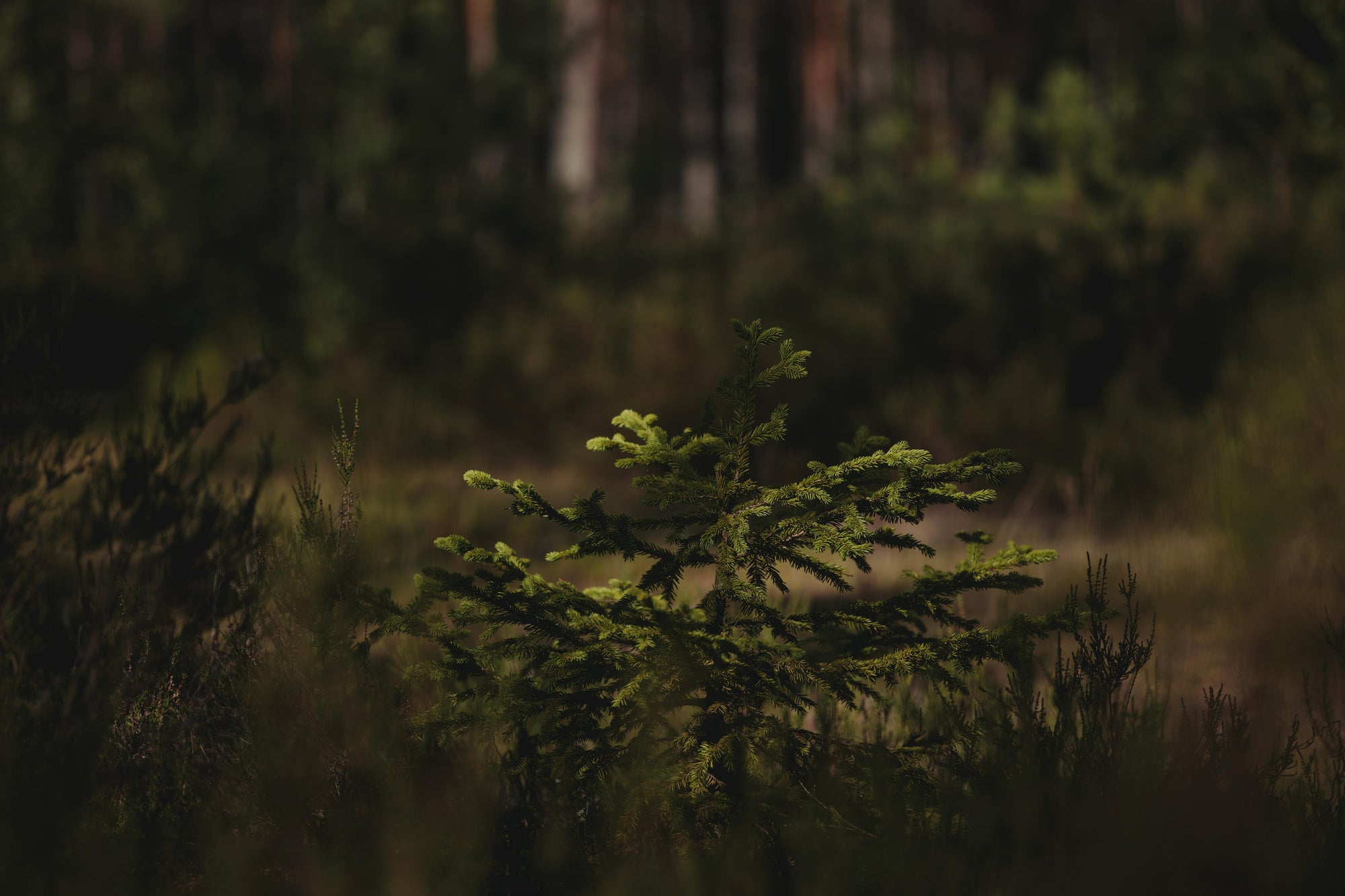
Small forest, big impact: Tiny Forests explained
A Tiny Forest is a miniature forest created on very small spaces – sometimes barely larger than a tennis court. Whether on traffic islands, in gardens, parks, or on vacant lots, this innovative concept makes it possible to create green oases even in densely built-up areas. But a Tiny Forest is much more than just a small forest . With the right method , a functioning ecosystem can develop in a very small space , one that not only benefits nature but also brings the community together.
The Roots of Tiny Forests: From Asia to the World
The idea behind Tiny Forests dates back to the 1970s and was developed by Japanese ecologist Akira Miyawaki . This is why the concept is often referred to as the Miyawaki method . Originally from Asia, the Tiny Forest movement has spread worldwide since the 2010s – particularly in Europe.
In the Netherlands, over 300 Tiny Forests have already been planted, often as collaborative projects with schools, kindergartens, or clubs. In Great Britain, the organization Earthwatch is also committed to Tiny Forests, bringing them to schools and public spaces. There are now examples of Tiny Forests in Switzerland as well, for example, in Zurich and on the campus of the University of Applied Sciences in Rapperswil .

Why Tiny Forests? The benefits at a glance
Like all forests, Tiny Forests contribute to improving our living environment : They cool the air, retain water, and support local biodiversity. They also offer numerous other benefits:
- Space-saving: Positive effects of forests are concentrated in the smallest area.
- Low maintenance: Once planted, Tiny Forests require little maintenance.
- No artificial fertilizers: The method does not require any chemical additives.
- Fast growth: Most seedlings grow faster than in conventional forests.
- Self-sufficient ecosystems: Stable, self-sustaining forests develop within a few years.
- Native diversity: Native tree and shrub species are used that are ideally suited to the region.
- CO₂ storage: Tiny forests absorb up to 30 times more CO₂ than monoculture plantations.
- Protection from noise and fine dust: The dense planting acts as a natural filter and soundproofing.
Tiny Forests not only make an ecological contribution, but are also a powerful symbol of community action.

How Tiny Forests are created
A Tiny Forest consists of a mix of different tree, shrub, and plant species adapted to the soil and climate conditions of the respective region. Initially, approximately three tree seedlings are planted per square meter . This high level of competition ensures that the plants grow faster to obtain light and nutrients. A stable mini-forest can be created within just three to five years .
After the initial phase, the ecosystem regulates itself: weaker plants die, while the remaining trees have more space to develop. This process is called natural self-thinning.
Each tree and shrub species fulfills an important function in the ecosystem: Some species bind moisture, others protect against pests, and still others ensure rapid humus formation. Shortly after planting, the forest becomes a habitat for numerous animal species – and within about 30 years, it develops into a functioning ecosystem, something that would take a conventional forest around 200 years to develop .
Tiny Forests: Making a difference together
Tiny forests are not only beneficial for nature, but also for the community. They are often created through participatory planting activities involving schools, clubs, or entire neighborhoods. These activities are a great opportunity, especially for children, to better understand nature and develop an awareness of sustainability. Let’s work together to bring many small forests to our cities and villages – tree by tree, #treebytree!


