


Forest regeneration as a sign of respect at the sacred volcano
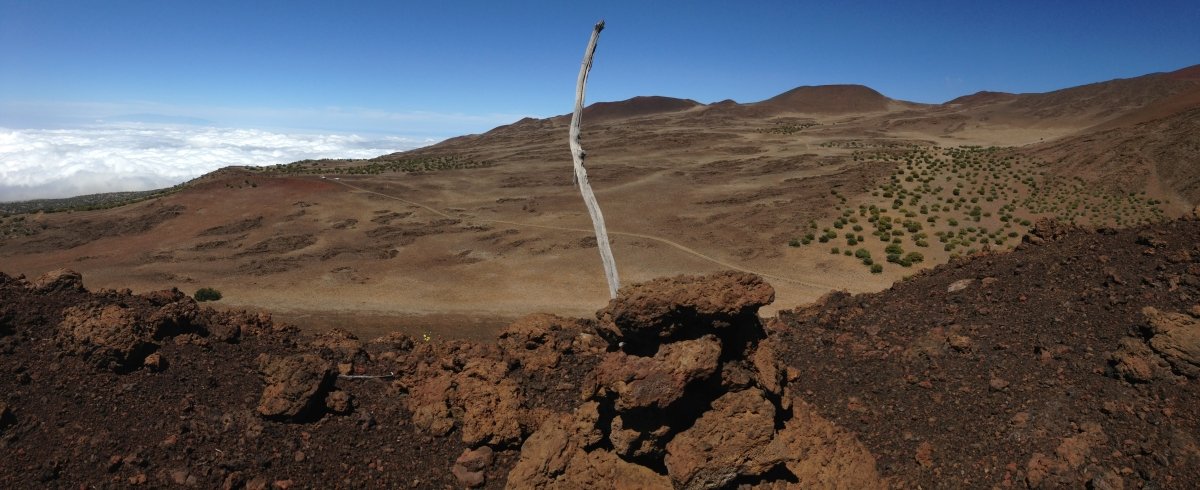
Mauna Kea, at 4,205 m above sea level, is the highest, currently inactive volcano in Hawaii. Including the part below sea level, it is the largest and highest mountain on earth at 10,203 m. In Hawaiian culture, the snow-capped mountain represents an unbroken connection to the earth and the sky. For Hawaiians, the mountain's creation story also symbolizes the relationship between generations: the older generation cares for the younger generation, just as the younger generation shows respect and consideration to the older generation. After all, what is loved should also be protected. This is precisely the goal of the Mauna Kea Restoration Project – to nurture the health and well-being of the ecological and human communities on the sacred volcano.

Image: Map of the project site at Mauna Kea.
Tropical and alpine climate – unique diversity
From some of the wettest tropical forests on the planet to some of the driest alpine zones on Earth, the Mauna Kea region encompasses a remarkable diversity of climates. Mauna Kea is also the only spot in the Hawaiian island chain with a constant snow cover and is home to some of the largest native ecosystems remaining in the Pacific region. A rapidly changing climate, invasive species, and a growing threat of wildfires are threatening many animal and plant species. To prevent the loss of this unique biodiversity, the Mauna Kea Restoration Project is investing in the restoration of the forests and their ecosystem diversity.

Image: Region around the volcano Mauna Kea
A restoration project as a model for all of Hawaii
Planting trees such as Sophora chrysophylla, Acacia koa, Coprosma rhynchocarpa, Chenopodium oahuense, and Santalum paniculatum is expected to reduce the risk of fire by closing the forest canopy and reducing grass density due to increased shade. Changes in soil moisture and wind speed due to the increase in tree cover also contribute to fire risk reduction. Reforestation will also create new habitat for the black-masked honeycreeper and the Hawaiian sickle-tailed honeycreeper. The Mauna Kea Restoration Project is considered a model for habitat restoration efforts throughout Hawaii, providing educational benefits through extensive community engagement. The restoration methods will be applied to other sites in the Hawaiian Islands in the future.

Image: Tree seedlings for the restoration project
Together for a greener world
Our commitment to the environment goes beyond planting trees. We believe in the power of community and that together we can make the world a better place. Would you like to get involved? For every NIKIN product you buy, we plant a tree. Together we're making the world greener – #treebytree!


