


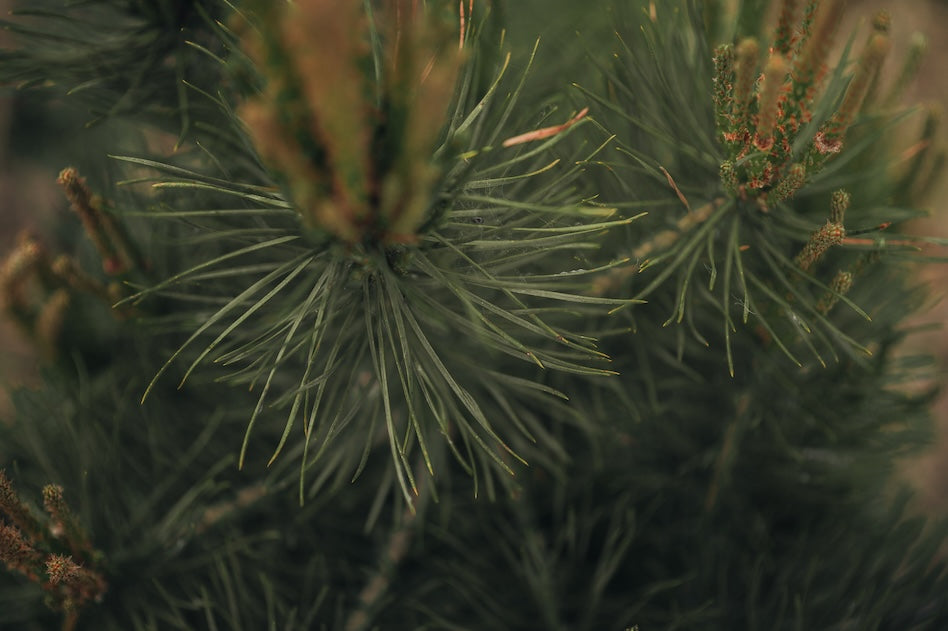
Where does the tradition of the Christmas tree come from?
The idea of bringing an evergreen tree into the house during the dark season dates back to pre-Christian times. Even in the Middle Ages, green branches were considered a symbol of life, hope, and fertility. The modern Christmas tree, as we know and decorate it today, spread throughout Germany from the 16th century onwards. From there, it conquered all of Europe and later the entire world. Today, the tree is an integral part of festive decorations for many.
Nordmann firs are particularly popular due to their soft, dark green needles that hardly prickle and stay fresh for a long time. Alternatives can also be blue spruces and Norway spruces. The Nordmann fir is also used as a model for most artificial Christmas trees. These are usually made of PVC or PE (polyethylene) and, compared to real firs, can be reused repeatedly and from generation to generation.

Other countries, other customs: Christmas tree traditions in comparison
While real fir trees are particularly popular in Switzerland, Germany, and Austria, other countries rely on completely different symbols: In Japan or China, Christmas is not celebrated religiously, but the Christmas tree (mostly artificial) is omnipresent in the cities. In Australia, the tree is often replaced by a decorated shrub that better suits the summer temperatures. And in Ukraine, the tree is traditionally decorated with spider webs – as a sign of good luck in the new year.
By the way: The disposal of Christmas trees is also handled differently worldwide. In New York City, for example, thousands of trees are collected at the beginning of January and processed into mulch, which is distributed in parks and green spaces. And in France, there are special collection points where trees are burned for energy production or composted.
The environmental impact of real Christmas trees
Real fir trees are beautiful to look at, but in Switzerland alone, over 1.3 million fir trees are cut down annually. Most of them come from monocultures, are treated with artificial fertilizers and pesticides, and are disposed of after a few weeks. The transport of the trees also leaves its mark: Many travel long distances before ending up in the living room. The ecological footprint is correspondingly high – and all for something that only brings joy for a short time.
Alternatively, one opts for the artificial variant. However, these are not automatically considered environmentally friendly either. They are usually made of plastic (PVC or PE), including a high CO₂ footprint for manufacturing and transport. For an artificial tree to be ecologically more sensible than a real one, it must be used for at least 10 to 20 years. However, due to changing trends, this is often not the case in practice. And finally, it is often difficult to recycle at the end.

What remains as an alternative?
The most sustainable option is to use regional, untreated trees from sustainable cultivation. Or you can craft a sustainable and creative alternative. With our "Save the XMas Tree" event, we show you a way to create Christmas cheer – without felling trees. In our workshop with Robin, you can build your own wooden Christmas tree stand and at the end, you'll have a durable piece that you can reuse every year.
The idea is simple: you insert fresh branches into the stand, which you collect on your next forest walk, can get at a garden center, or receive from us on site. This creates your very own Christmas tree, which you can design as you wish. And if you prefer to simply enjoy: there are also finished models that you can take directly with you – including hot punch by the fire and a large portion of Christmas spirit.
All information about the event can be found on our event page. Registration is not necessary – you can also come spontaneously.
A Christmas tree with a message
With the "Save the XMas Tree" workshop, we want to not only offer an alternative but also raise awareness. Because sustainable decisions often start with small things – including the question of whether a new tree is really necessary every year. By building your tree stand, you are not only giving yourself something lasting, but also giving something back to the environment. And who knows: Maybe this very tree will one day become part of your very own Christmas tradition – year after year, branch by branch.


