


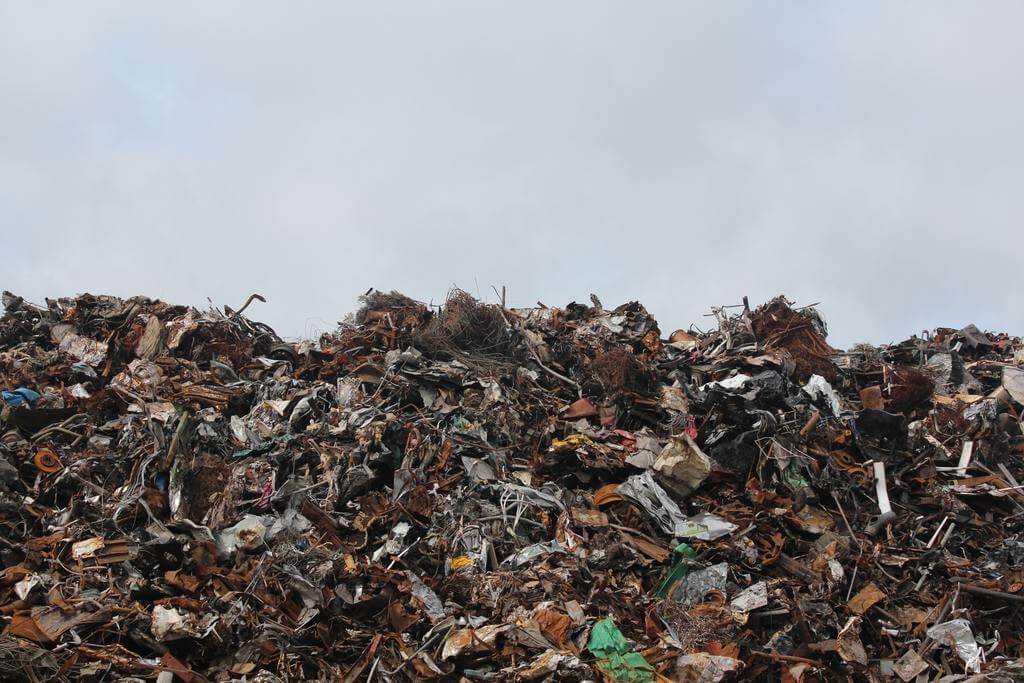
Conscious consumption makes a big difference
Environmental protection… of course, you'd like to do something about it. Do more. But how can this be implemented in everyday life? We all consume resources for our daily needs. Some more, some less. We eat and drink, drive cars, and need clothing. And all of this is produced with varying degrees of industrialization. The processing of the raw materials necessary for our livelihoods also consumes resources. And all the goods we need are packaged, refrigerated, stored, and transported…
You already know it, life is expensive. We can't stop breathing and eating, and we should definitely wear something. No one has to completely deprive themselves of the pleasant things in life. It all depends on how we consume. Therefore: keep your eyes open when shopping, question your own standards every now and then, and look beyond the many "eco-labels."
How you can live more sustainably…
...you've already thought about that, otherwise you wouldn't have landed here on the NIKIN blog. You've already started asking yourself what you buy every day. Keep asking. There are two basic methods for living more sustainably:
- Consume less
- Question your own consumption in terms of ecological sustainability and social justice
Consume less
Consume less...well, that's just the way it is. If you believe the advertising, pretty much everything is eco-friendly these days, and even disposable coffee capsules and the like, packaged entirely in light metal or plastic, are given an eco-label. These are more or less successful advertising gimmicks, also known as "greenwash." In other words: it's given a green coat of paint, the consumer believes it, is happy, and buys it. But the product isn't truly sustainable. And consuming everything you can without restraint just won't work. That's never, ever ecological. If you're offered exotic fruit out of season, packaged in plastic and very cheap to boot—it's delicious. But it's not sustainable. If you want to make a change yourself, a little—well, not deprivation, but a change in your lifestyle is called for. Treat yourself to fruit. In season. And if possible, buy it from local producers. This has two advantages: YOU know where the product comes from, and you support the producer. This way, you help preserve valuable heirloom fruit varieties, regional cheese specialties, and native livestock species that would otherwise fall victim to the massive standardization machine of globally standardized, cheap consumerism. The bottom line: Look where your goods come from.
Question more
Questioning your own consumption a little also has its benefits. Consider where the things you consume come from. Why is clothing so cheap? Who has to sacrifice so that you can buy a T-shirt for five euros, maybe even less? Why is a new smartphone so affordable? What's actually in that thing? Where does it end up when you throw it away? So: Do you really need the latest model every year, or would you rather use what you have until it gives up the ghost?
And if you're already questioning things, you'll eventually start to ask yourself who all this consumption actually benefits: yourself? Or perhaps the large corporations that delight the world with affordable, even cheap, products?
Ask yourself what is really important
Remember that the truly important things in life can't be bought. Once you start "scrutinizing" your own life for sustainability, you'll almost automatically start asking yourself whether it's worth it – toiling hard every day for consumer goods. You might even start slowing down your life: game nights instead of shopping, cooking with friends instead of fast-food parties, bike rides instead of a new car.
Recycle instead of throwing away
A very important contribution to sustainability, including in consumption, is the reuse of raw materials, and to do so as thoroughly as possible. Because it's not just our consumption that creates problems, but also our waste. Recycling starts with shopping. Glass instead of plastic, paper or cardboard instead of cellophane. In larger cities, you can already find stores where you can buy packaging-free and weighed products like pasta or pulses. It's not a revolutionary concept; it used to be common practice. Even simpler: going to the market. With a shopping bag instead of a plastic bag.
Of course, waste cannot be completely avoided, but as you change your lifestyle and shopping habits, you'll notice that much less waste is generated. Separating waste, of course, helps with what's left. Recycling recyclable materials like glass or metal makes sense. And those who can compost organic waste can reap additional benefits.
Live more consciously – enjoy more consciously
The best part is: You'll notice that you're living your life more consciously. Reflecting on your own consumption habits changes the way you enjoy your food, for example, or value your free time. You're doing something good for the environment. And you're doing something good for yourself.


