


What is merino wool?
Merino wool comes from merino sheep, a breed of sheep originally from North Africa and now mainly kept in Australia, New Zealand, and South Africa. It is one of the finest types of wool in the world. Its fibers are up to four times thinner than a human hair, making it particularly soft and flexible. Another distinguishing feature is that merino wool, unlike conventional virgin wool, does not scratch and feels pleasantly smooth on the skin.
The fine structure of the wool also ensures that it is breathable and thermoregulating: this means it keeps you warm when it's cold, cools you down when it's warm, and wicks moisture away from the body. This creates a balanced wearing climate. In addition, merino wool is naturally odor-neutralizing, as its fibers inhibit bacterial growth. This makes it particularly popular for functional clothing, outdoor clothing, and everyday fashion that stays fresh for a long time without needing frequent washing.

Merino wool in the sustainability check
How sustainable a material truly is only becomes apparent in the overall picture. So let's look at the advantages that the natural fiber brings with it and where its limitations lie. Merino wool has both:
Advantages of merino wool
- Renewable raw material: Sheep produce new wool every year without reducing the animal population.
- Durable: Wool clothing is robust, dimensionally stable, and lasts for many years with proper care.
- Biodegradable: Pure wool decomposes in nature and returns nutrients like nitrogen and carbon to the soil.
- Less washing needed: Wool is odor and dirt repellent – often airing it out is enough. This saves water, energy, and detergent.
- Thermoregulating: Wool warms in cold weather, cools in hot weather, and can absorb up to 30% of its own weight in moisture without feeling wet.
- Recyclable: Old wool clothing can be processed into yarn, felt, or insulation material.
Criticisms and Challenges
Of course, merino wool is not without its challenges:
- Animal husbandry: Large sheep herds require a lot of land. Improper pasture management can strain soils and contribute to CO₂ emissions.
- Transport routes: A large portion of wool is produced in Australia and New Zealand, which means long supply chains.
- Chemical treatment: Some wool products are heavily treated (e.g., Superwash with chlorine), which harms the environment.
- Animal welfare: Practices like mulesing are ethically unjustifiable and are rightly criticized.
Merino wool can be a very sustainable material – if it comes from responsible animal husbandry, without animal cruelty practices, with gentle processing, and durable design.

Merino wool with responsibility – this is how we work at NIKIN
When selecting our materials, it is always important to us that they are durable, functional, and produced responsibly. And we want to create products that conserve resources and thus the environment. Therefore, for merino wool, we ensure that our fabric suppliers are certified according to the internationally recognized Responsible Wool Standard (RWS). This certificate ensures that wool production and processing along the supply chain are controlled according to clear criteria. These include:
- Animal-friendly husbandry: Sheep are treated respectfully, with access to food, water, and open spaces. Practices such as mulesing are strictly prohibited.
- Sustainable pasture management: The areas are managed in such a way that soils, ecosystems, and biodiversity are protected in the long term.
- Supply chain transparency: Every step, from the farm to the spinning mill to processing, is documented and verifiable.
- Social standards: Working conditions along the chain must also be fair and safe.
Our merino wool comes from Australia, New Zealand, and South Africa – regions known for their experience in sheep farming. It is then processed into yarn by our long-standing partner in Lithuania and knitted into finished textiles in Europe.
Traceability back to individual sheep herds is currently not possible, however, by purchasing from RWS-certified suppliers, we can ensure that clear and binding criteria are met. This way, we can ensure that our merino wool products are not only comfortable to wear but also align with our values regarding sustainability and responsibility.
Why NIKIN now uses merino wool
Since our founding in 2016, we have completely avoided animal materials. Many of our customers appreciate us for this very reason. At the same time, the demand for wool has been increasing in recent years – especially for products that are breathable, durable, and suitable for outdoor activities. To take these voices seriously, we launched a large community survey in 2023. We wanted to find out: Should NIKIN include wool in its product range? And if so, under what conditions? The result was clear: a majority wanted wool products, but only if animal welfare and sustainability were uncompromisingly ensured.
As a result, we intensively searched for solutions that fit our values. With merino wool from RWS-certified suppliers, we have found a way that meets our demands for quality, durability, and sustainability. This decision was not made lightly, but after carefully weighing the opportunities and risks.
Our range remains over 99% vegan and free of animal materials. Products made from leather, silk, or similar raw materials are not planned for us in the future. Merino wool is an addition for us that has been deliberately chosen because, as a natural fiber, it offers a unique combination of functionality, comfort, and environmental compatibility.

Care for merino wool: How to make it last forever
Now that we also offer merino wool products, it is important to us that they are cared for properly so that they last a long time. After all, wool thrives on proper care. It needs to be washed less often than other materials, and that's exactly what extends its lifespan and protects the environment.
- Airing instead of washing: Odors usually disappear simply by airing out.
- Gentle washing: If necessary, wash cold on a wool program or by hand with a mild wool detergent.
- Do not wring: Gently squeeze after washing, do not twist.
- Dry flat: Lay flat, do not hang – this preserves its shape.
- Store properly: Folded in the closet, keep moths away with lavender or cedar wood.
- Repair instead of replace: Darn small holes, remove pilling with a wool comb.
If you have any uncertainties about the care of a particular material, you can always check Clevercare.
Our first merino wool products
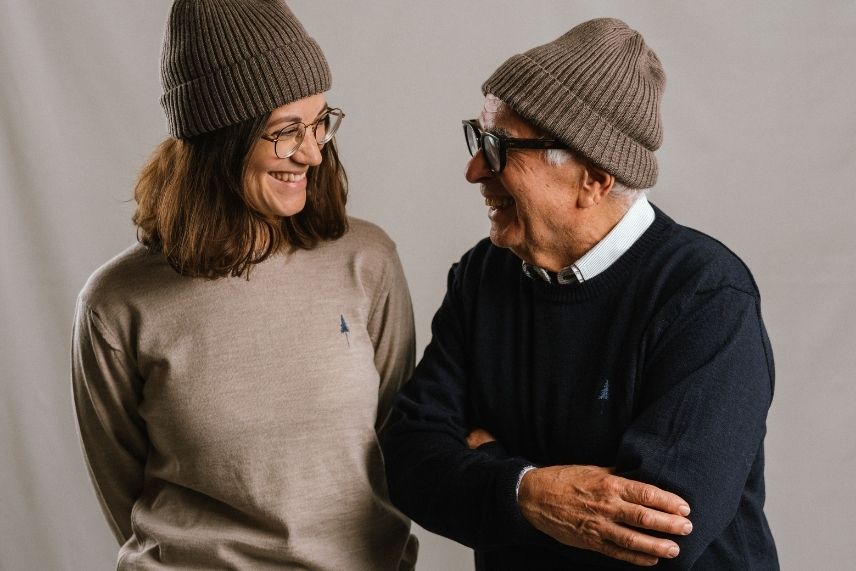
To start, we are launching two products made from RWS-certified merino wool: Our TreePullover Merino for Men and Women are light and soft, feature a tree embroidery on the chest, and are pre-washed and durably made. The Treeanie Merino completes the outfit on a cold day, as it is temperature-regulating, dimensionally stable, and made with natural elasticity. Additionally, both products come with a special wool hangtag and detailed care instructions.
For you, this means: Our new merino wool products can accompany you for many years with good care, as they are timeless, high-quality, and produced responsibly.

FAQ on Merino Wool at NIKIN
Our range remains 99% vegan. Due to high demand and discussions with our community, we decided to use merino wool – but only under clear sustainability and animal welfare conditions.
Yes, if it comes from responsible animal husbandry. It is durable, biodegradable, rarely needs washing, and can be recycled.
Sheep farming and pastures do have ecological impacts. Management is crucial: certified standards such as the Responsible Wool Standard (RWS) mandate sustainable management of pastures, thereby contributing to the protection of soils and ecosystems. Thus, merino wool can be an environmentally friendly alternative – especially when used for a long time.
RWS-certified farms are required to practice sustainable pasture management. Sheep primarily feed on grass and plants in pastures. There is no direct link to rainforest soy.
Merino wool is very durable if cared for properly. It should be washed rarely, gently cleaned on a wool program or by hand when necessary, and always dried flat.
Our wool comes from suppliers certified by RWS – this ensures that the sheep are mulesing-free. Animal welfare is a top priority.
From Australia, New Zealand, and South Africa. It is processed into yarn and textile fabrics in Lithuania.
We source our merino wool from RWS-certified suppliers (Responsible Wool Standard). This seal guarantees animal-friendly husbandry, the prohibition of mulesing, sustainable pasture management, and transparent supply chains.
We already rely heavily on recycled fibers. Merino wool complements our product range with a durable, natural material that often functionally surpasses synthetic alternatives – for example, through temperature regulation and odor neutrality.
Yes, our range will remain over 99% vegan. Merino wool is an addition we have consciously chosen, but the majority of our products will continue to be based on plant-based natural fibers or recycled materials.
No, we will not use materials such as leather, silk or similar raw materials.


